Home Office Lighting: Brighten Your Workspace for Maximum Productivity

Creating a productive workspace starts with one essential element: home office lighting. The right lighting setup can improve focus, reduce eye strain, and enhance your overall mood—making it easier to stay productive throughout the day.
Whether you work remotely full-time or occasionally from home, optimizing your office lighting design is key to building a comfortable and efficient environment.

Why Home Office Lighting Matters for Productivity

Lighting directly impacts your brain, energy levels, and work performance. Poor lighting can lead to fatigue, headaches, and decreased concentration.
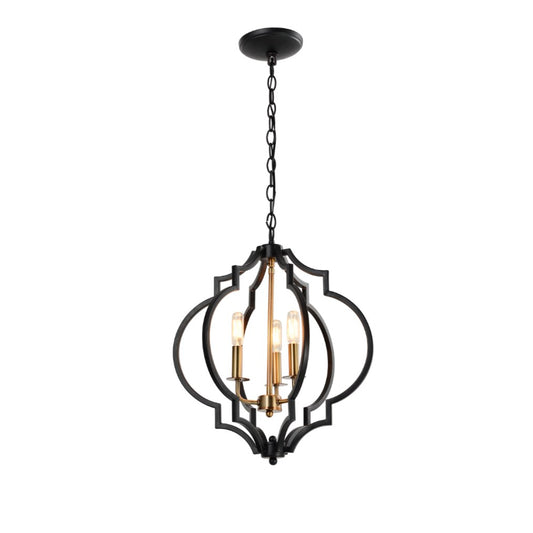
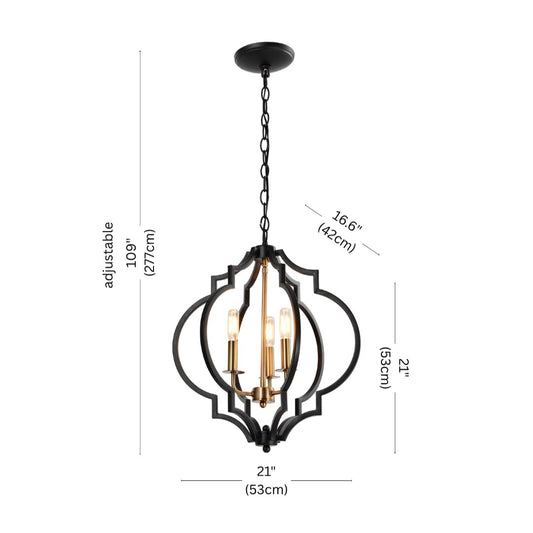
Key Benefits of Proper Home Office Lighting
  • Improves focus and mental clarity
  • Reduces eye strain and fatigue
  • Enhances mood and energy levels
  • Supports better posture and comfort
  • Creates a visually appealing workspace
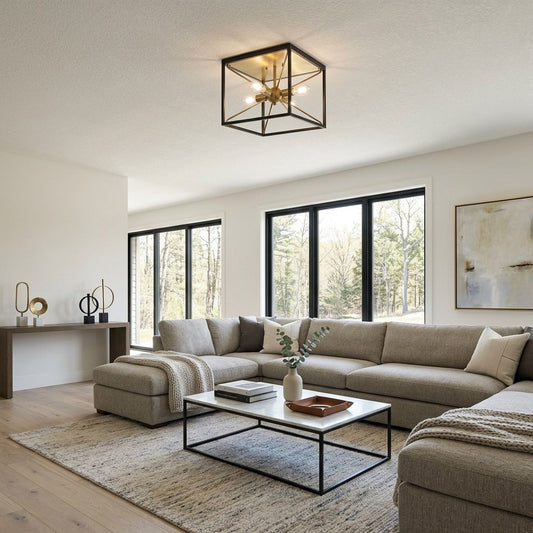
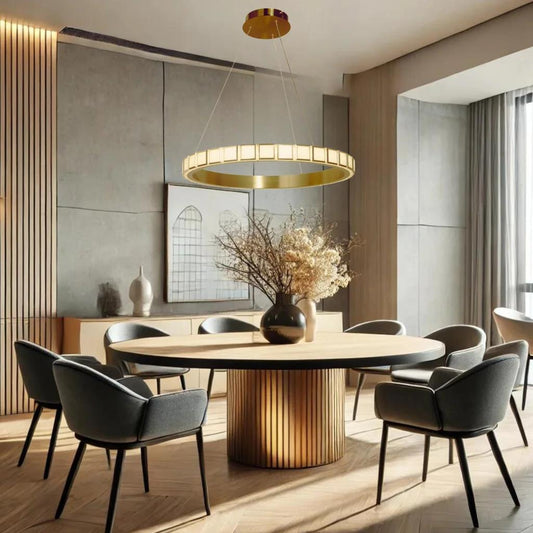
The best home office lighting combines natural light with layered artificial lighting (ambient, task, and accent lighting) to reduce eye strain and boost productivity.

Types of Home Office Lighting (Layered Lighting Approach)

A well-designed workspace uses multiple lighting sources. This is known as layered lighting, and it ensures your space is both functional and visually balanced.

1. Ambient Lighting (General Lighting)

Provides overall illumination for your room.
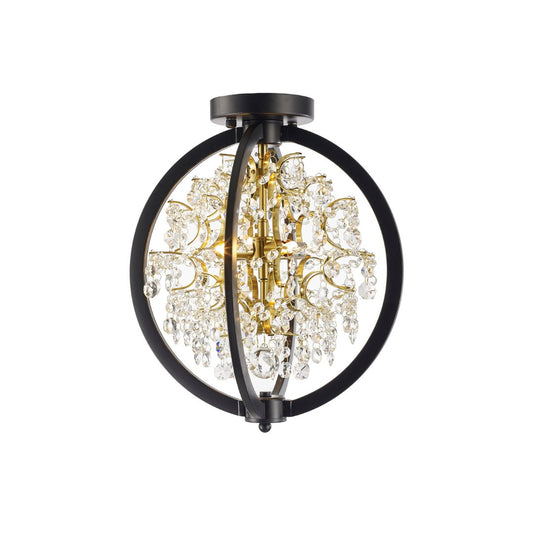
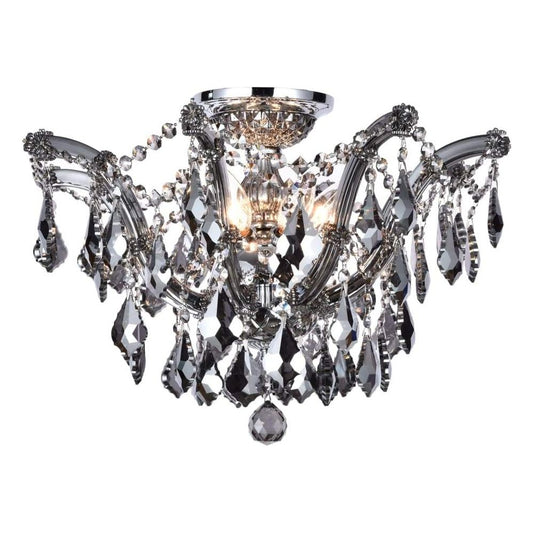
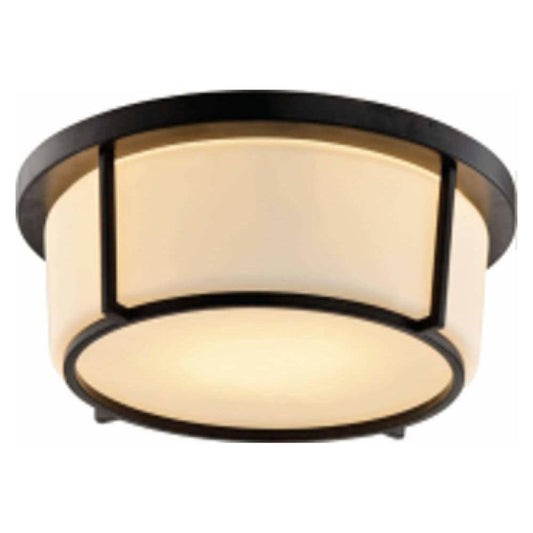
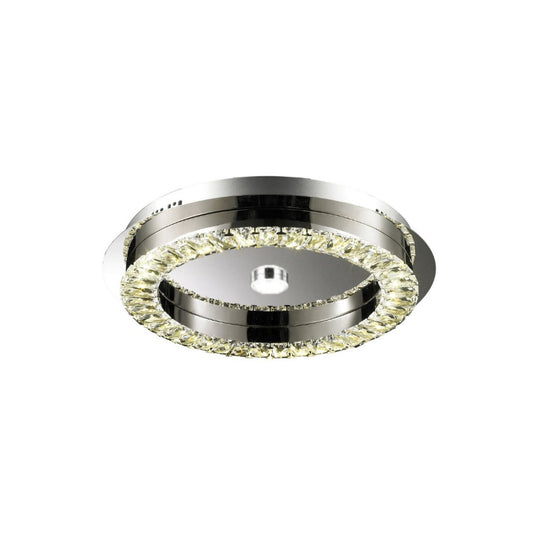
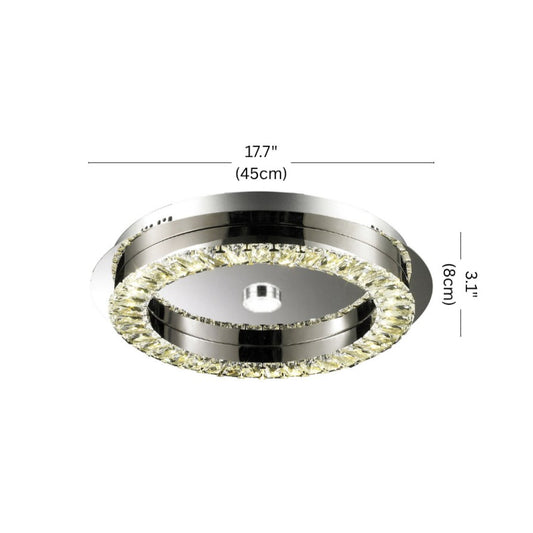
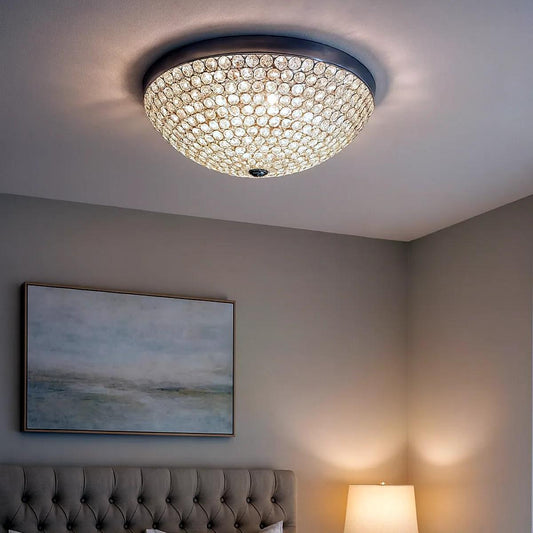
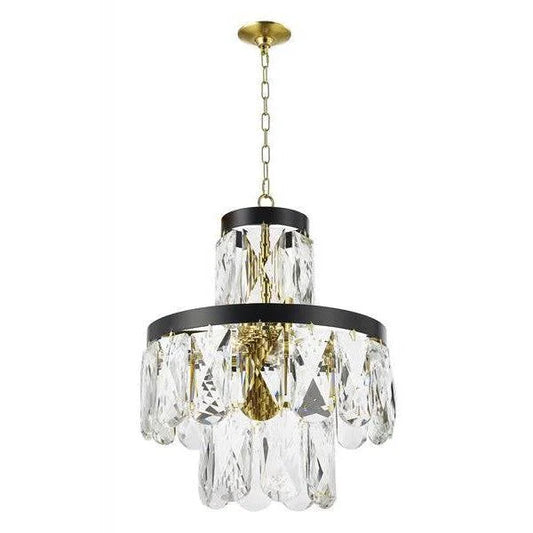
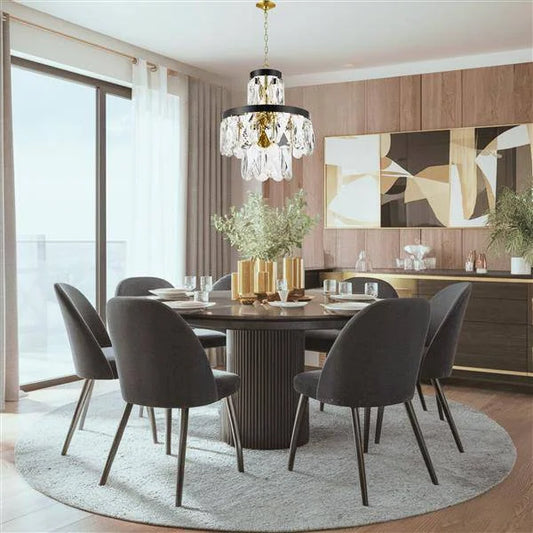
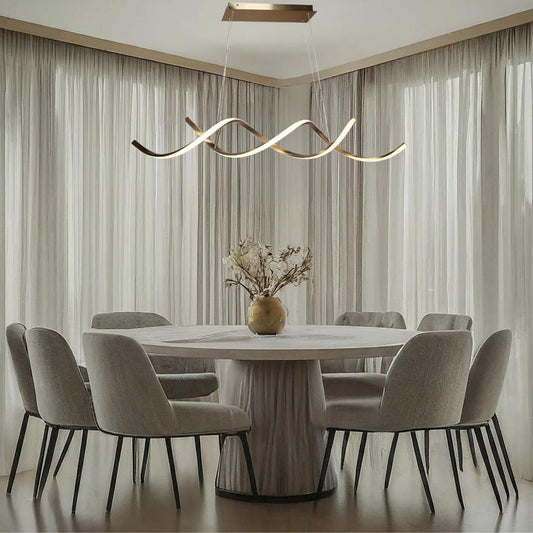
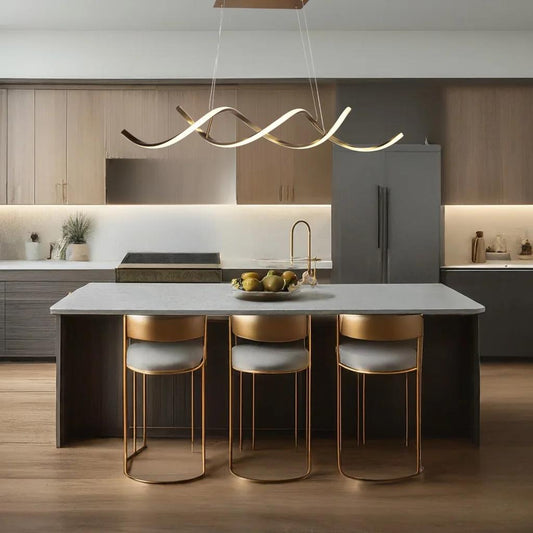
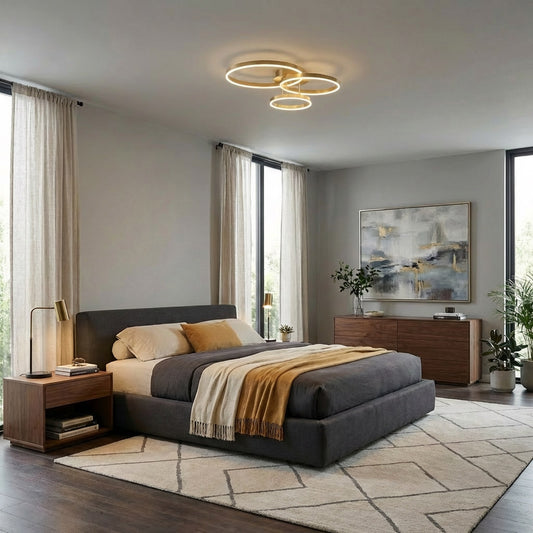
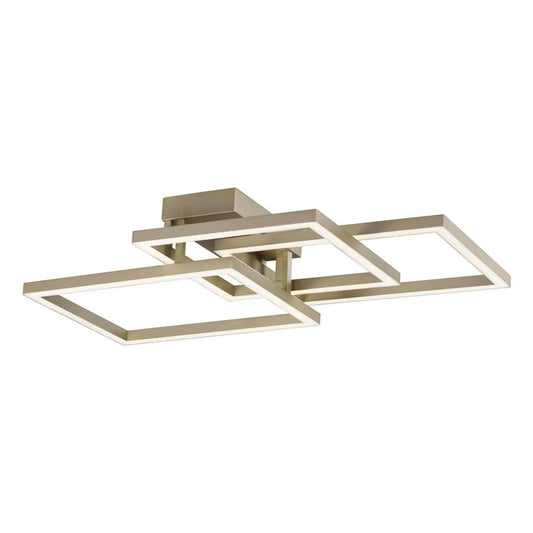
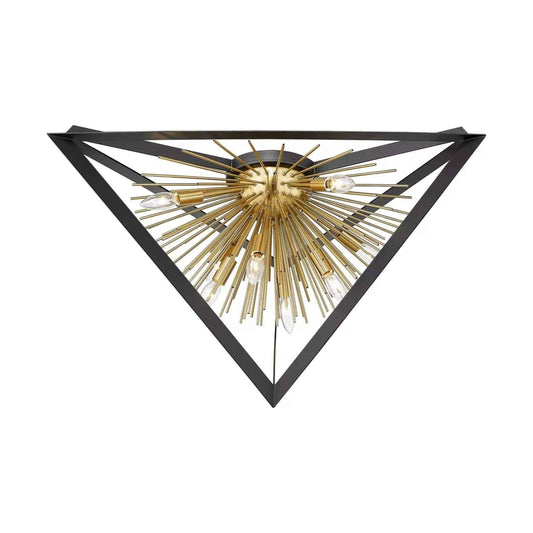
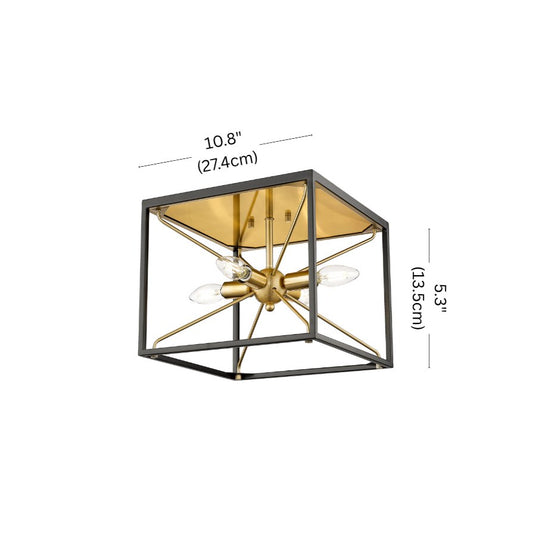
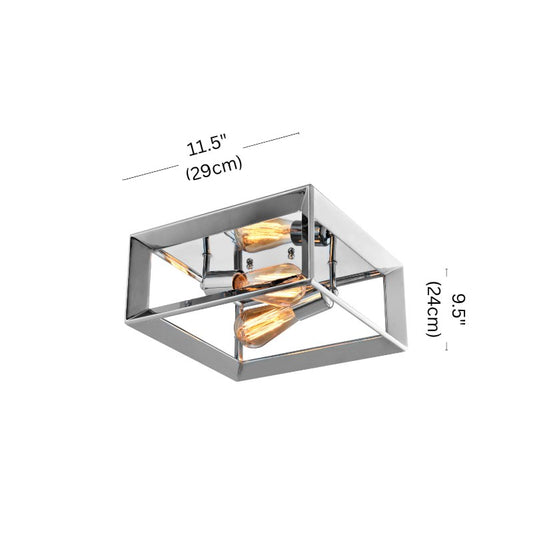
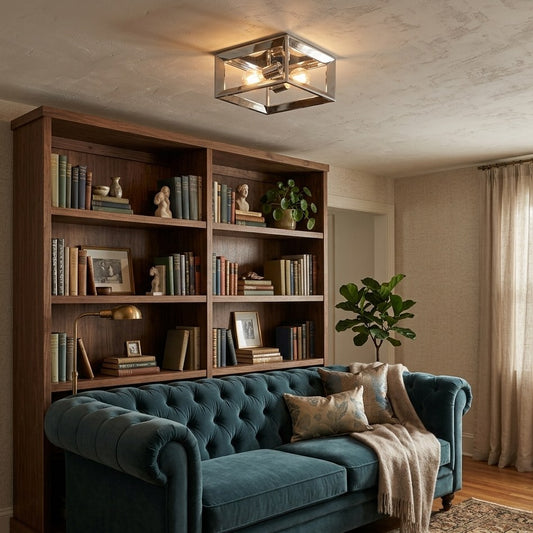
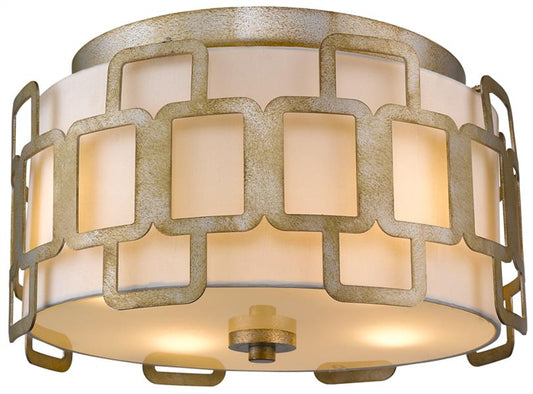
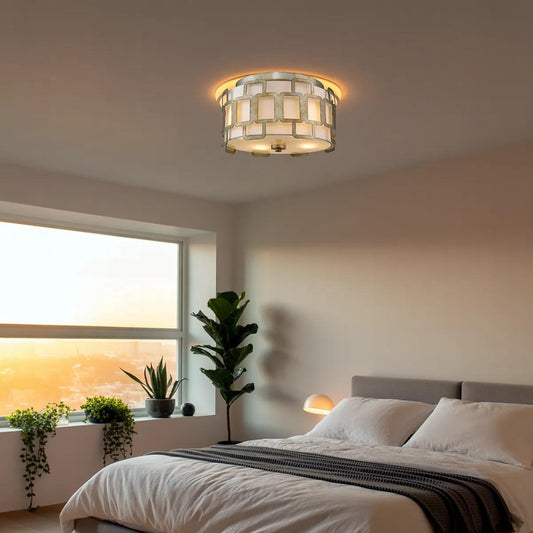
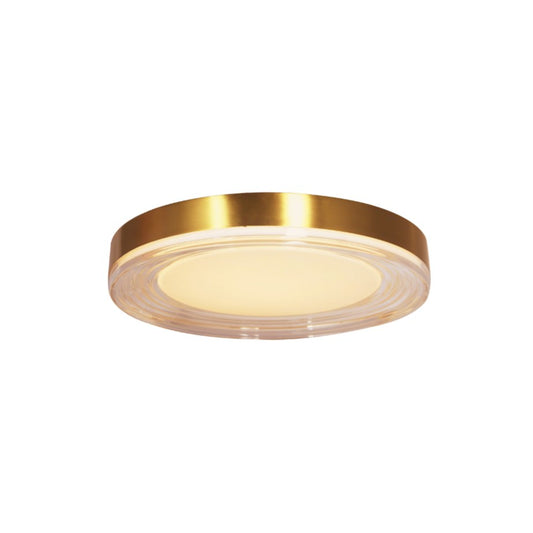
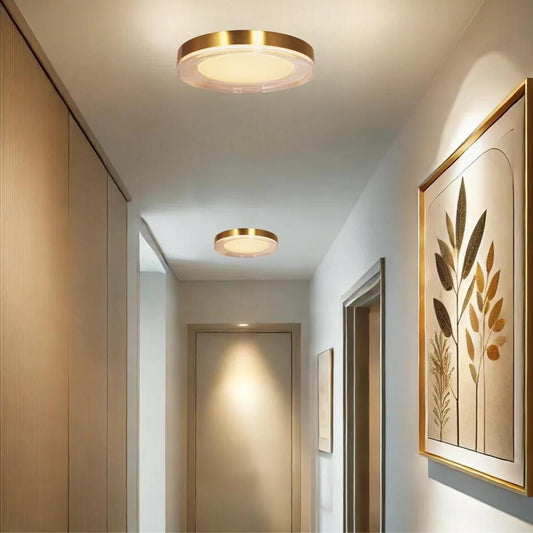
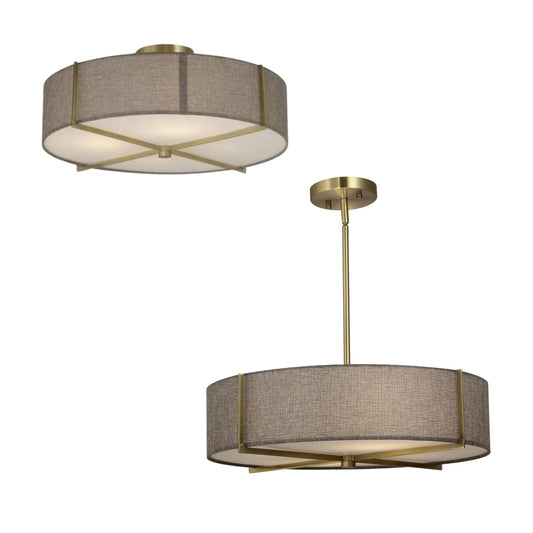
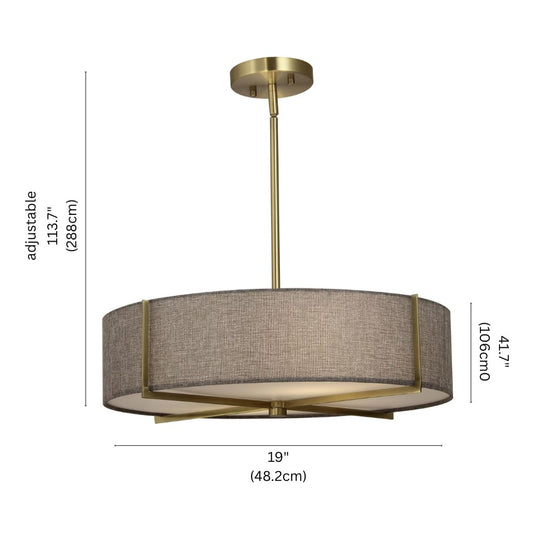
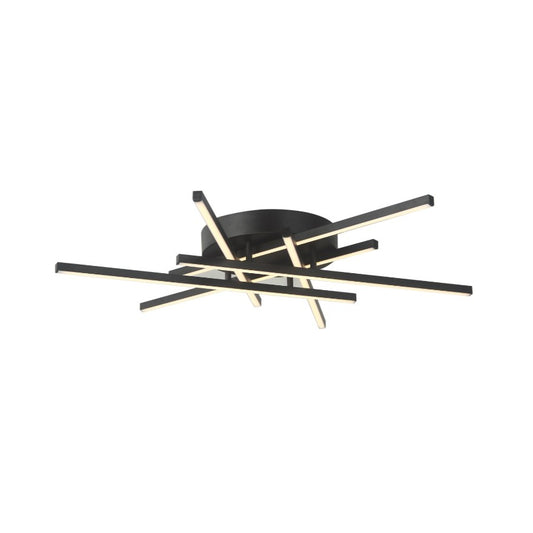
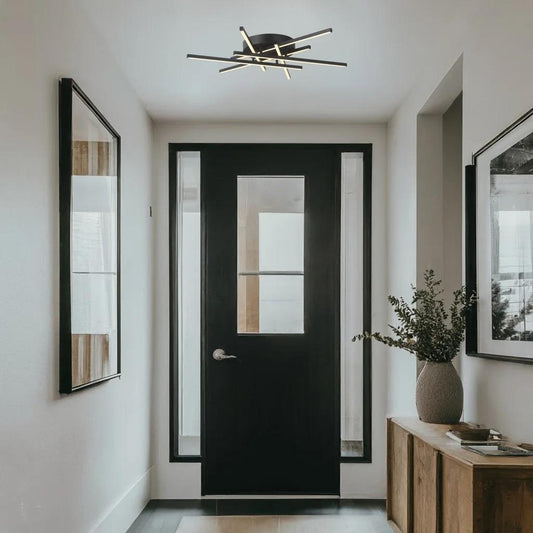
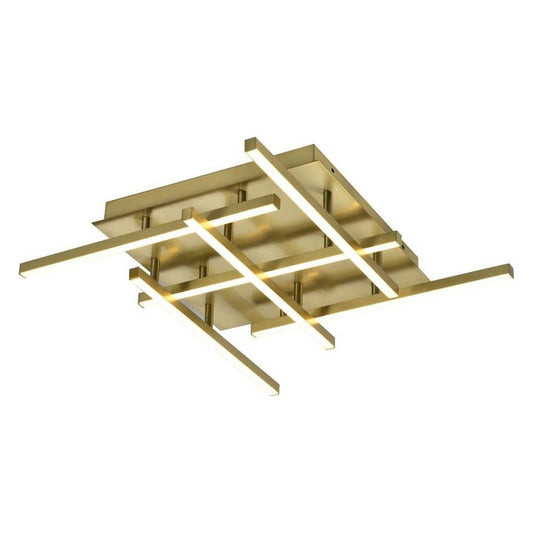
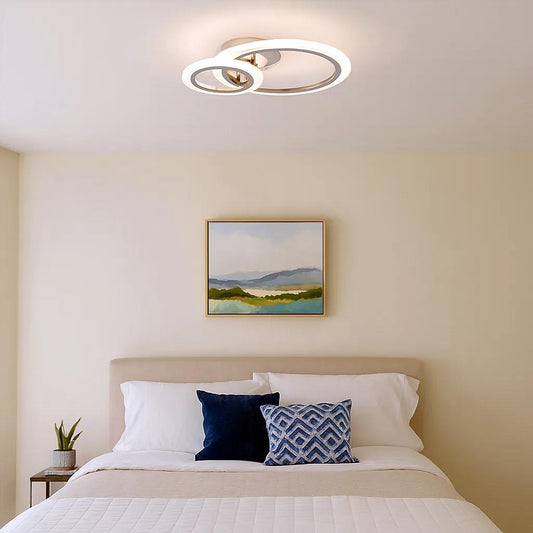
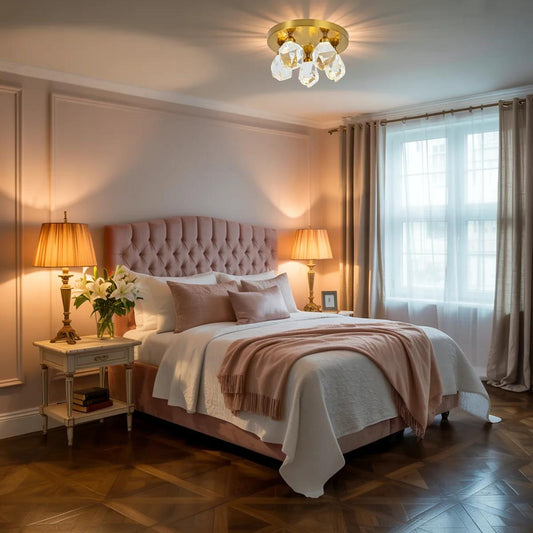
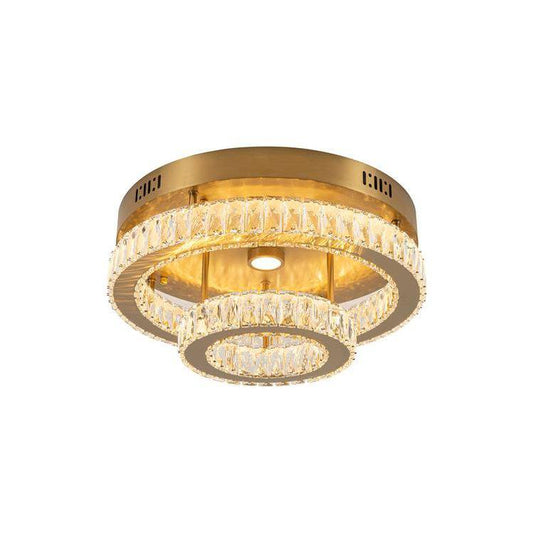
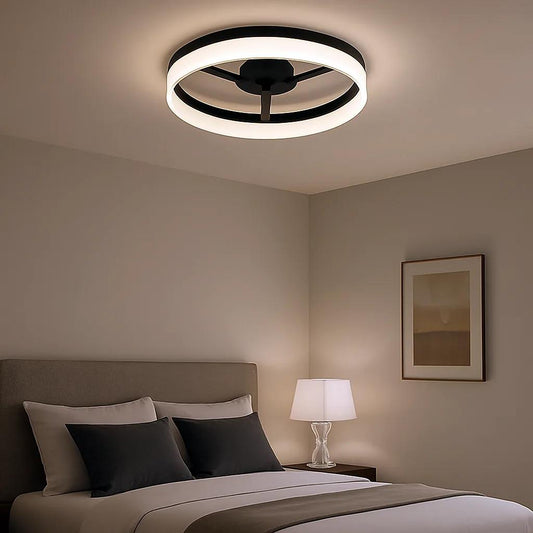
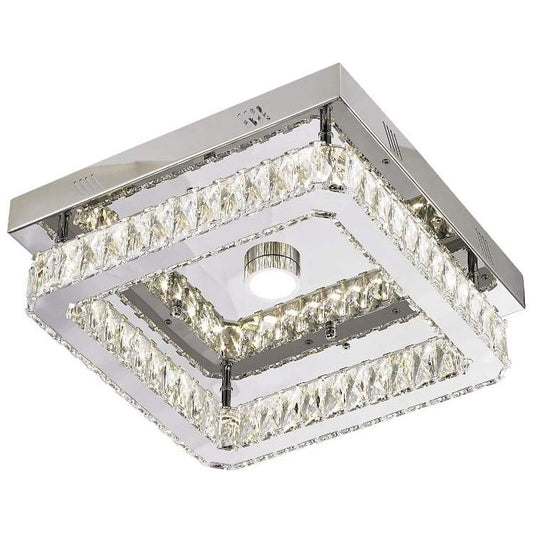
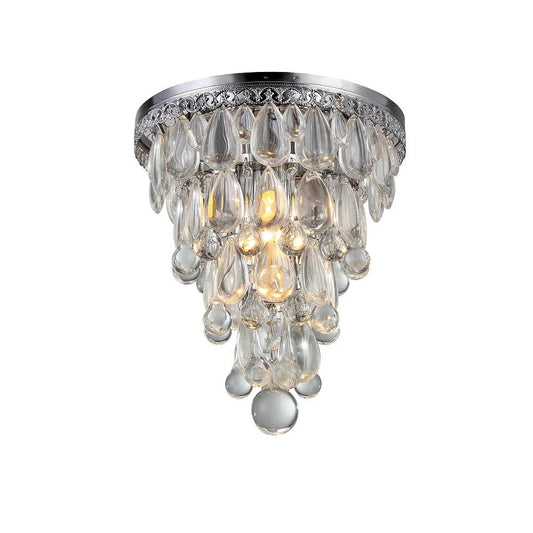
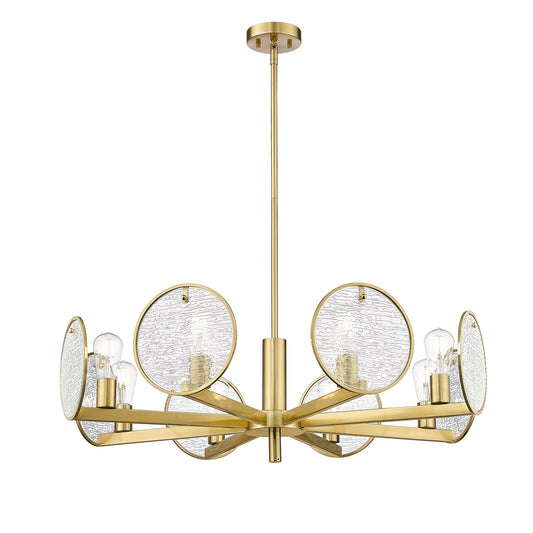
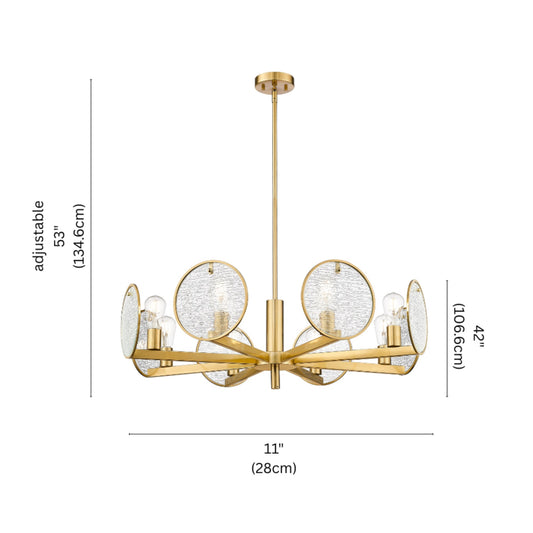
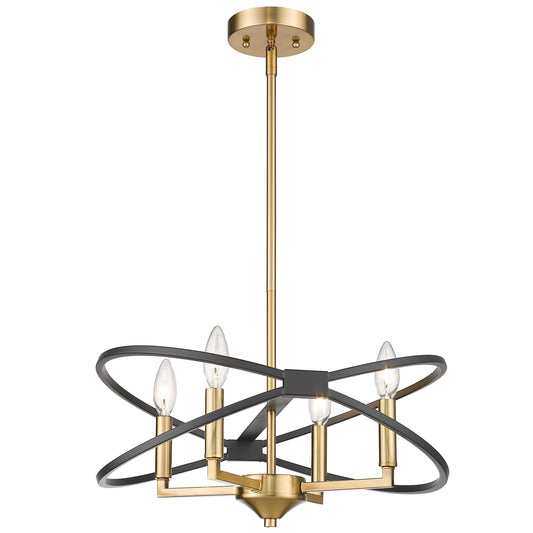
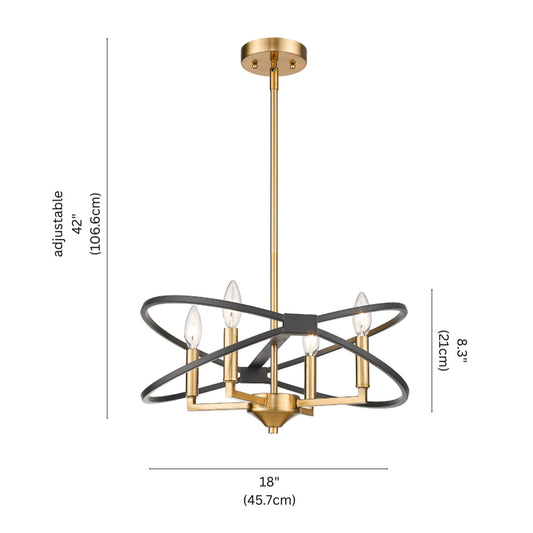
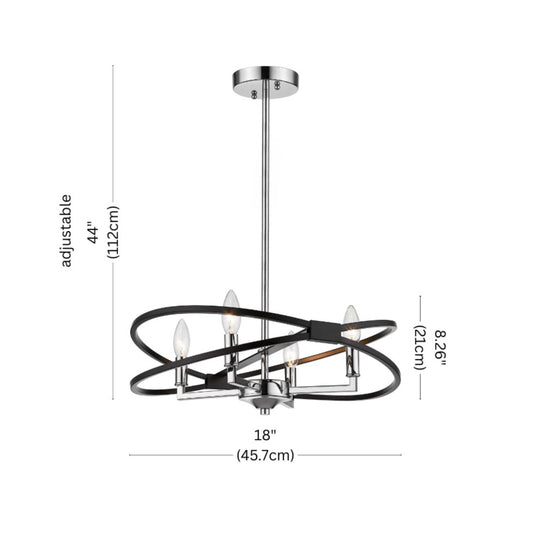
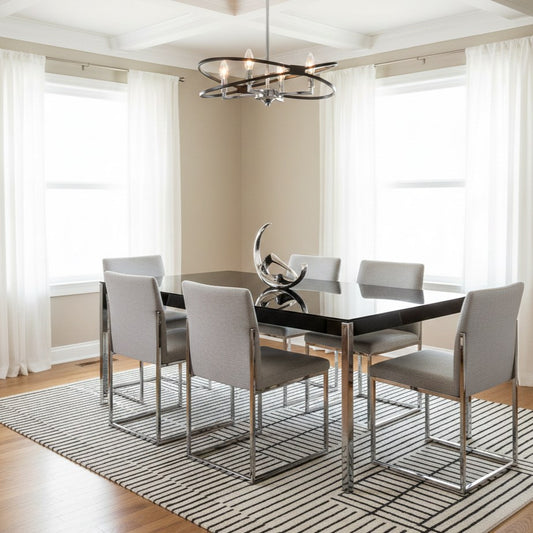
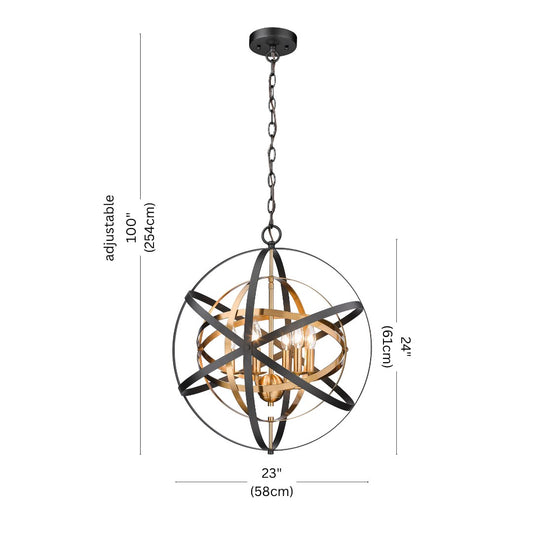
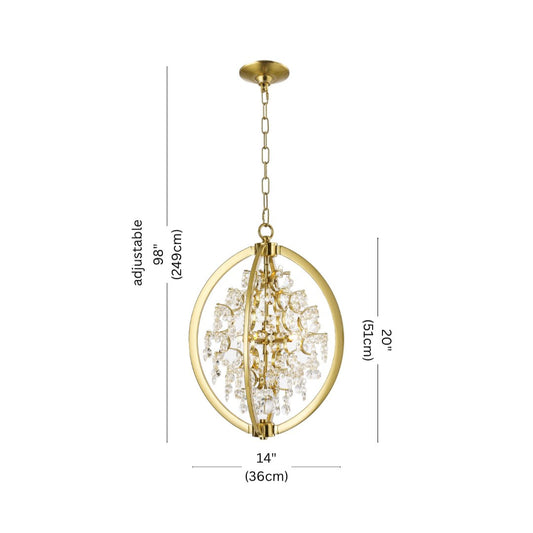
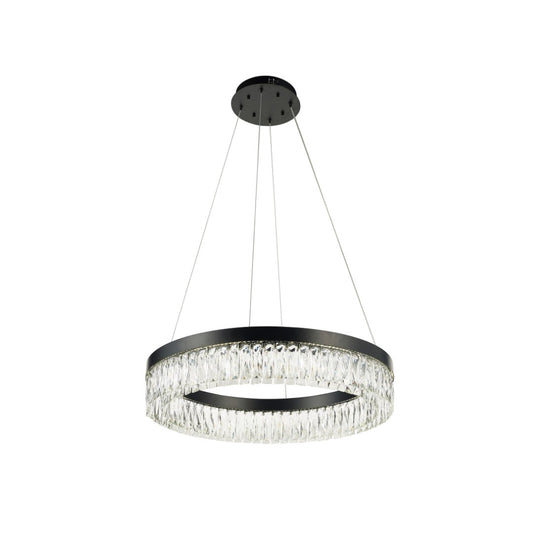
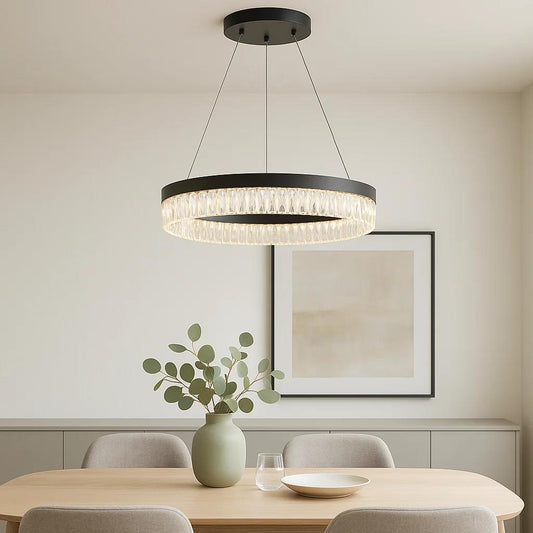
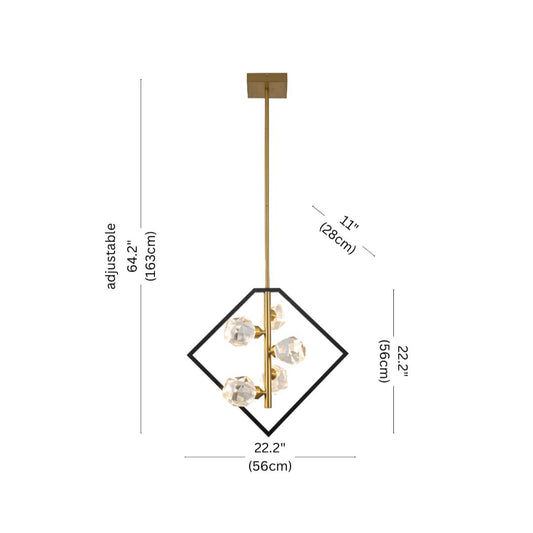
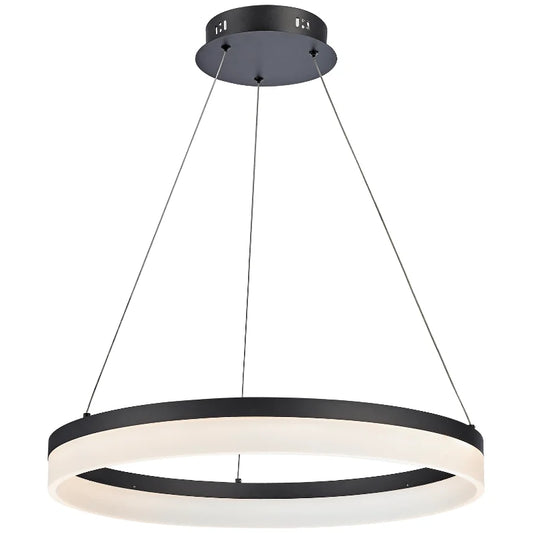
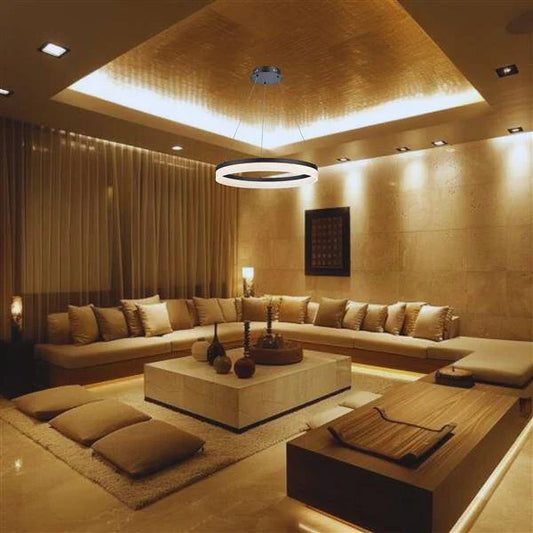
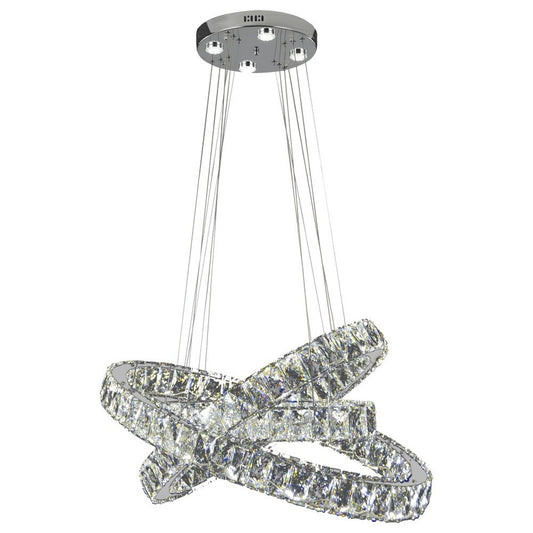
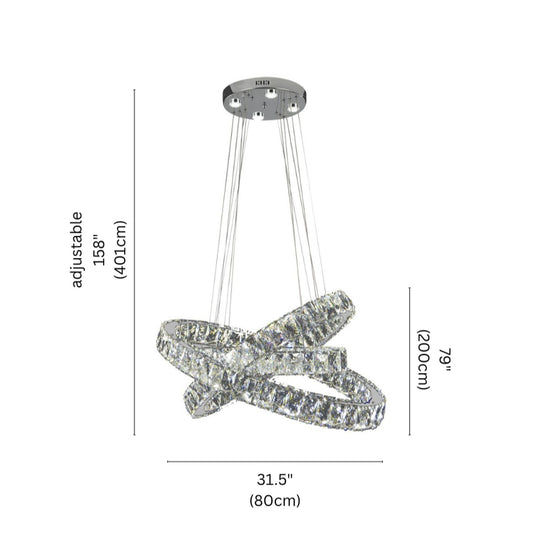
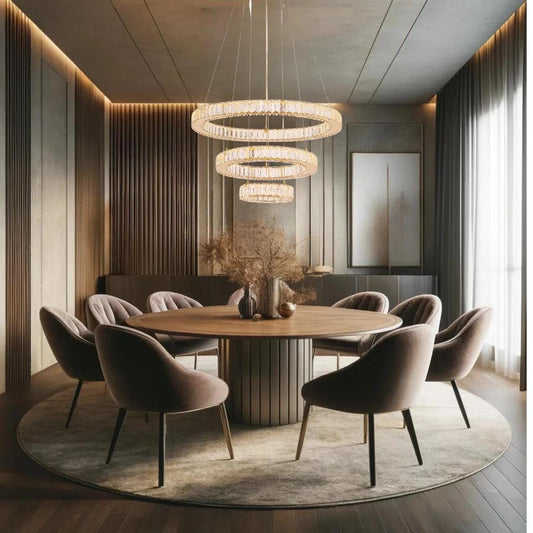
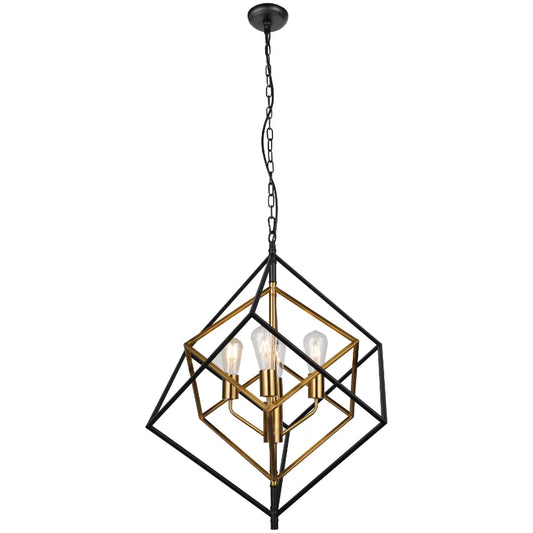
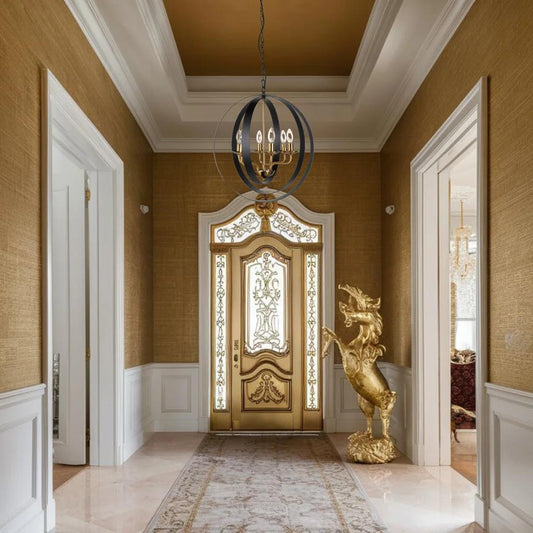
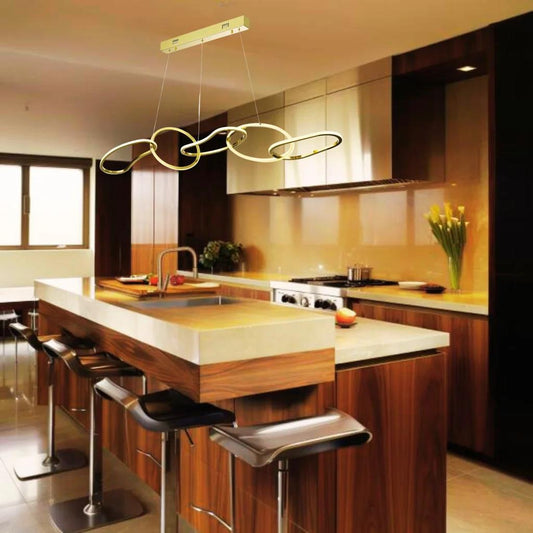
  • Ceiling lights (flush mounts, semi-flush, chandeliers)
  • Recessed lighting
  • LED panel lights
Ideal for evenly lighting the entire home office.
2. Task Lighting (Focused Work Lighting)
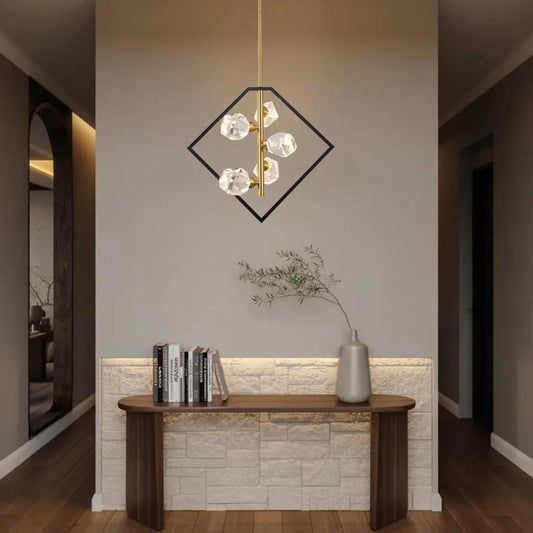
Designed for specific activities like reading, writing, or computer work.
  • Desk lamps
  • Adjustable task lights
  • LED work lights
Helps reduce eye strain and improves visibility for detailed tasks.

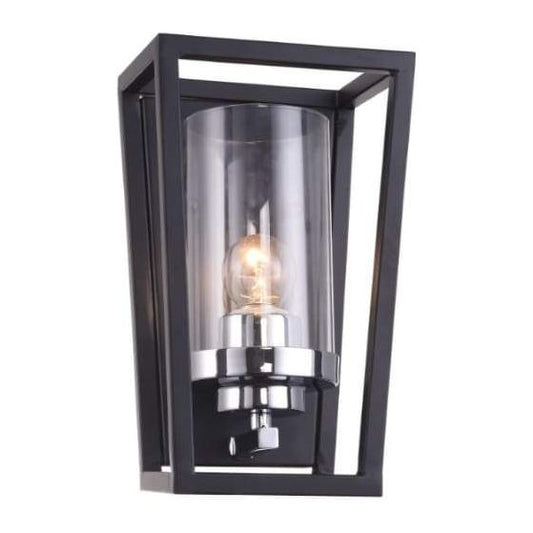
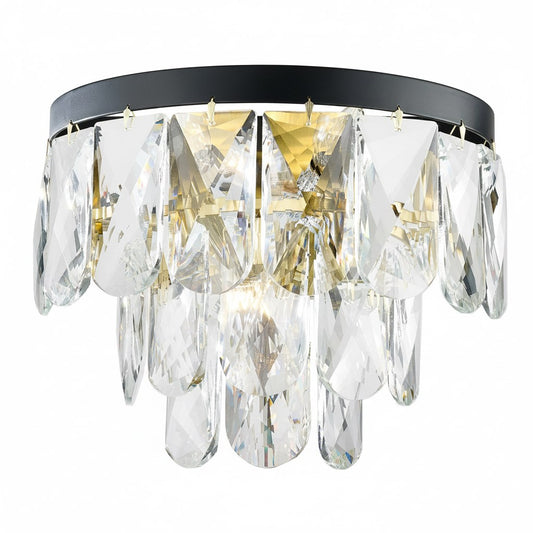
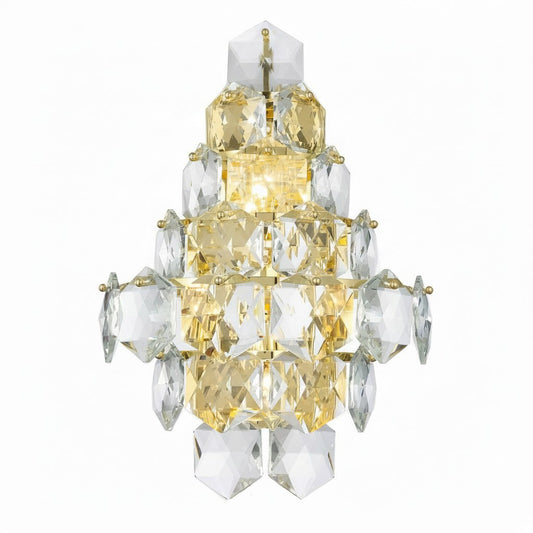
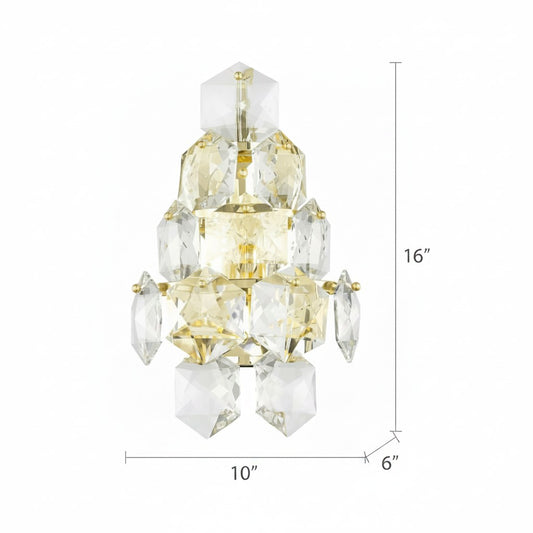
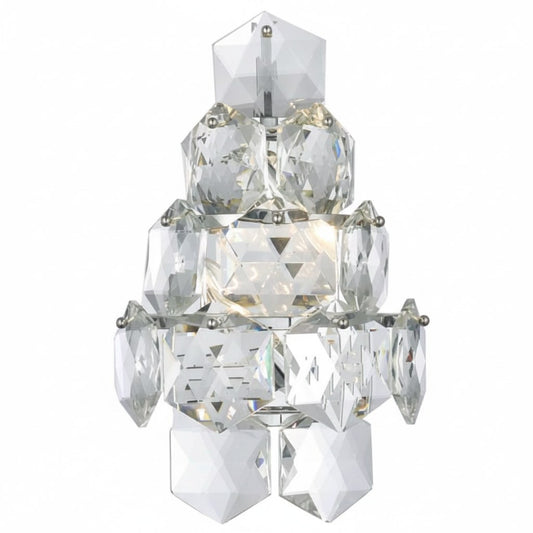
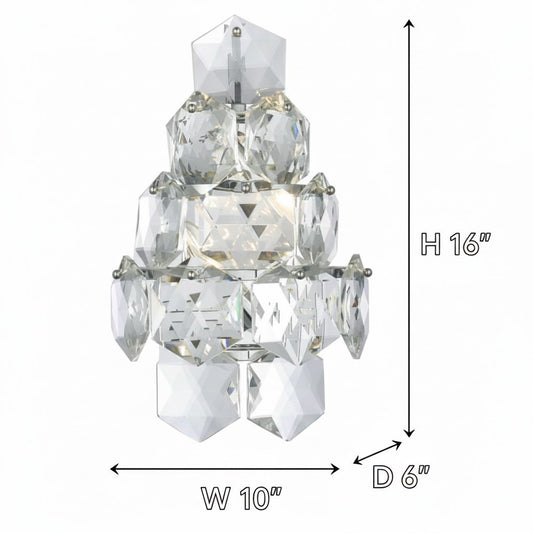
3. Accent Lighting (Decorative & Mood Lighting)

Adds depth and style to your workspace.
Enhances aesthetics and creates a comfortable atmosphere.
C__Users_User_My_Drive_Personal_Saeed-Business_ProxyOffice_Sparkle_Light_Shopify_Landing_Pages_Website_Pages_by_Agha_Majid_Lamps_Desk_Photos_134LEDT-SC

.

.

.
SML329125-GDa


SML329124-BK_09


SML229113b_0af7d10a-c719-44a1-8d90-f204670c0fb3


How to Choose the Best Lighting for Your Home Office

Selecting the right lighting involves more than just style—it’s about performance and comfort.

1. Choose the Right Brightness

  • Small rooms: 2,000–4,000 lumens
  • Medium rooms: 4,000–6,000 lumens
  • Large offices: 6,000+ lumens

2. Select the Ideal Color Temperature

  • Cool white (4000K–5000K): Best for focus and productivity
  • Neutral white (3500K–4000K): Balanced work environment
  • Warm white (2700K–3000K): Relaxing and cozy

3. Use Energy-Efficient LED Bulbs

  • Longer lifespan
  • Lower energy consumption
  • Consistent brightness
SML229115-GD

.

.

.
C__Users_User_My_Drive_Personal_Saeed-Business_ProxyOffice_Sparkle_Light_Shopify_Landing_Pages_Website_Pages_by_Agha_Majid_Lamps_Desk_Photos_779LEDT-SV


SML233119


SML333124-BKGD


Best Desk Position for Optimal Lighting

Your desk placement plays a huge role in how effective your lighting is.

Pro Tips for Desk Positioning

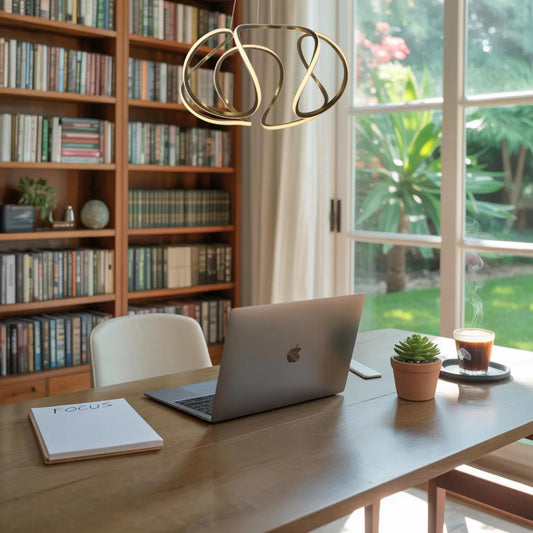
  • Place your desk next to a window for natural light
  • Avoid direct sunlight hitting your screen
  • Position task lighting opposite your dominant hand
  • Use blinds or curtains to control glare

How to Reduce Eye Strain in Your Home Office

Eye strain is one of the most common issues in poorly lit workspaces.

Simple Fixes

  • Use diffused lighting instead of harsh direct light
  • Adjust screen brightness to match room lighting
  • Follow the 20-20-20 rule (every 20 minutes, look 20 feet away for 20 seconds)
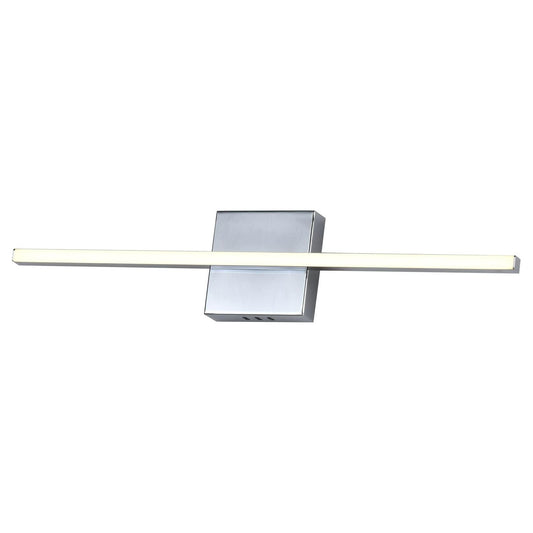
  • Add a monitor light bar for balanced illumination

Lighting Tips for Video Calls & Remote Meetings

Good lighting improves how you appear on camera.

Best Setup for Video Calls

  • Place a soft light source in front of your face
  • Avoid strong backlighting (windows behind you)
  • Use ring lights or diffused desk lamps
  • Keep lighting at eye level for natural results
SML234128_c33f7d64-0161-47f0-879b-6d6a393269f5

.

.

.
sml234131_02e5bf82-3920-48b3-a25e-d5881581d2ab


C__Users_User_My_Drive_Personal_Saeed-Business_ProxyOffice_Sparkle_Light_Shopify_Landing_Pages_Website_Pages_by_Agha_Majid_Lamps_Desk_Photos_1679T-BK-VB


SML333123-BKGD


Visit the Sparkle Light Showroom in Markham for the Best Home Office Lighting Ideas

For professional guidance and a broad selection of elegant home office light fixtures, stop by the Sparkle Light Showroom in Markham. Discover how various lighting choices can enhance your space, with knowledgeable staff available to assist you in selecting the ideal lighting to match your style and requirements.
SML240100-BK_12

.

.

.
SML240102-GD_03


SML240104-BKGD_05


C__Users_User_My_Drive_Personal_Saeed-Business_ProxyOffice_Sparkle_Light_Shopify_Landing_Pages_Agha_Majid_Website_Pages_Room-Home_Office_Photos_ULT133-BM-BK


Frequently Asked Questions (FAQ)

Q1: What is the best type of lighting for a home office?
The best setup combines natural light with ambient, task, and accent lighting. This layered approach ensures balanced illumination and reduces eye strain.

Q2: What color light is best for productivity?
Cool white light (4000K–5000K) is best for productivity because it increases alertness and focus.

Q3: How bright should a home office be?
A home office should have between 4,000–6,000 lumens depending on room size to ensure proper visibility without glare.

Q4: Where should a desk lamp be placed?
Place your desk lamp on the opposite side of your dominant hand to avoid shadows while working.

Q5: Can lighting affect mood and energy?
Yes. Bright, cool lighting boosts energy and focus, while warm lighting promotes relaxation.

Q6: What is the best lighting for Zoom or video calls?
Use a soft, front-facing light source at eye level and avoid backlighting to ensure your face is clearly visible.