

Classic Chandeliers – Timeless Elegance for Traditional & Luxury Interiors
BROWSE CLASSIC CHANDELIERS



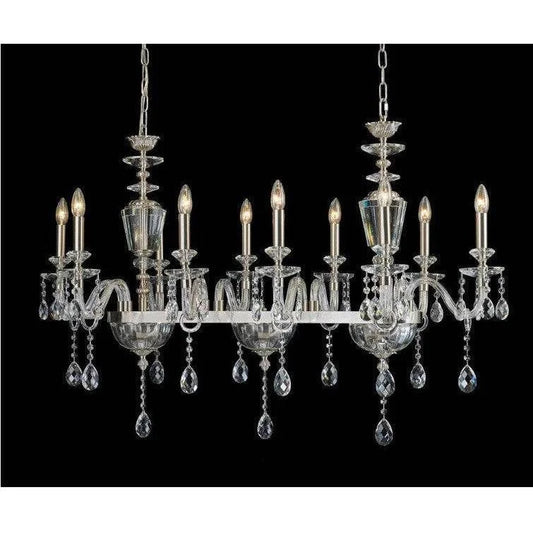

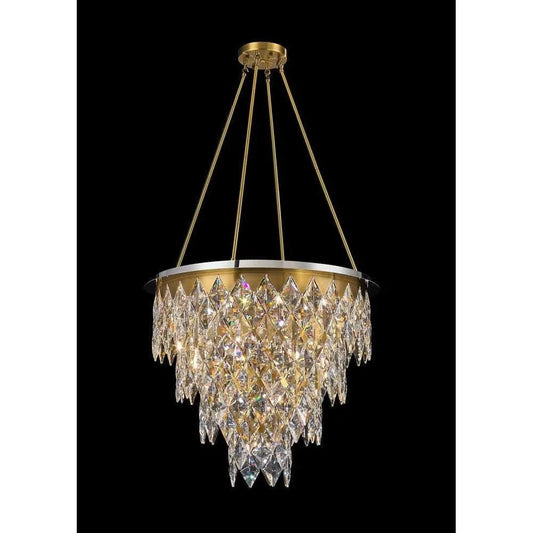
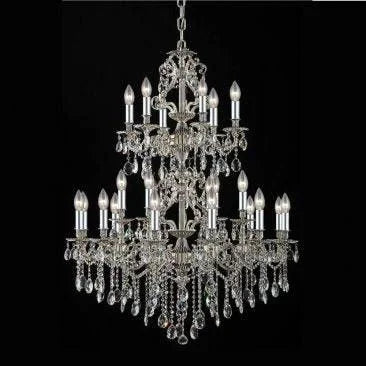

VISIT OUR SHOWROOM

CLASSIC CHANDELIERS GUIDE
Classic chandeliers bring warmth, elegance, and a sense of occasion to a room. Defined by balanced proportions, graceful arms, and decorative details, they complement traditional interiors while adding character to transitional spaces. From understated candle-style designs to elaborate crystal chandeliers, the right fixture creates a focal point that connects your lighting with your furniture, finishes, and architecture.
What Makes a Chandelier Classic?
Classic chandeliers draw on traditional lighting forms, often featuring curved arms, candle-style lights, symmetrical tiers, and ornamental metalwork. Some include crystal drops, glass accents, or fabric shades; others rely on simple silhouettes and rich finishes. A classic chandelier does not need to be highly ornate—the defining qualities are proportion, balance, and enduring decorative appeal.


Choose a Style That Suits Your Space
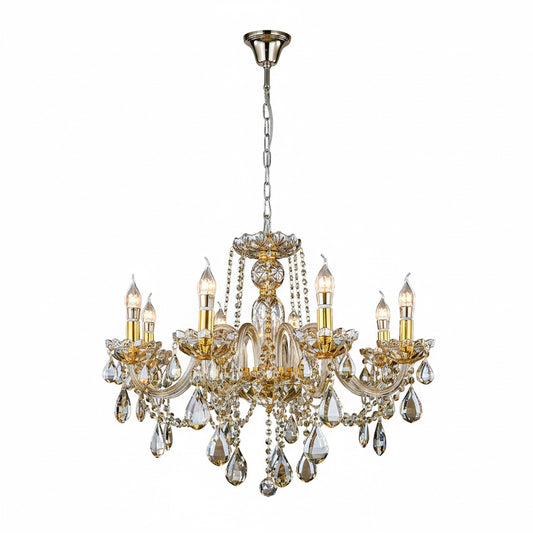
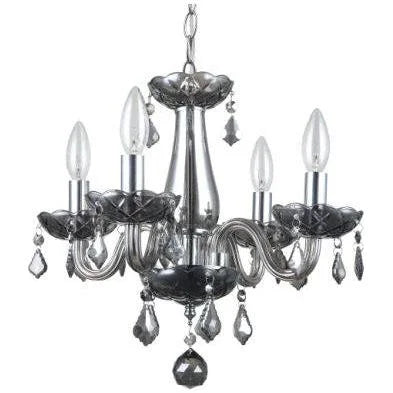
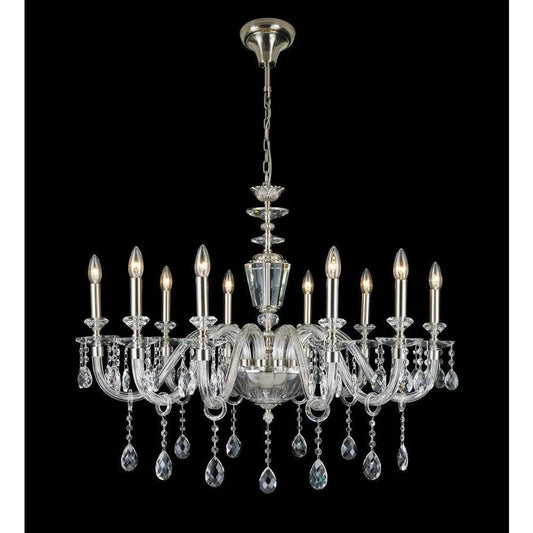
Candle-style chandeliers create a traditional look with open arms and exposed bulbs. Their airy shape works well above dining tables and in rooms where you want decorative lighting without a heavy visual presence.
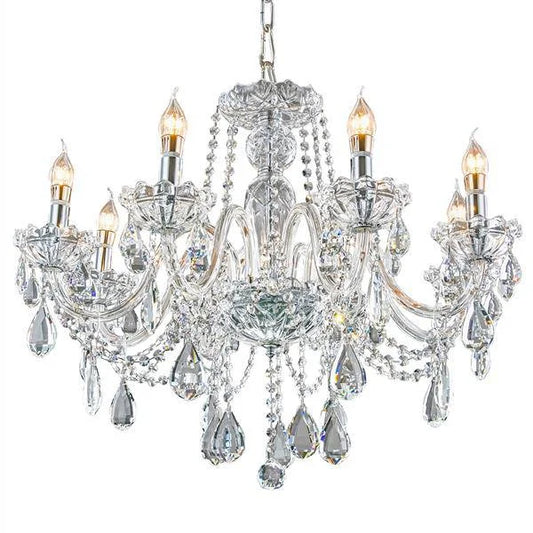
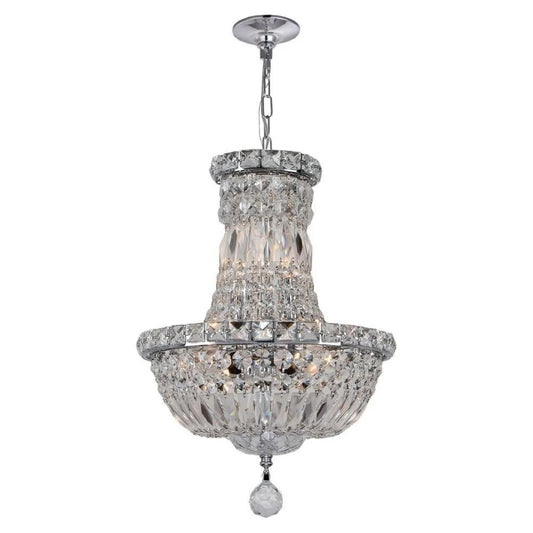
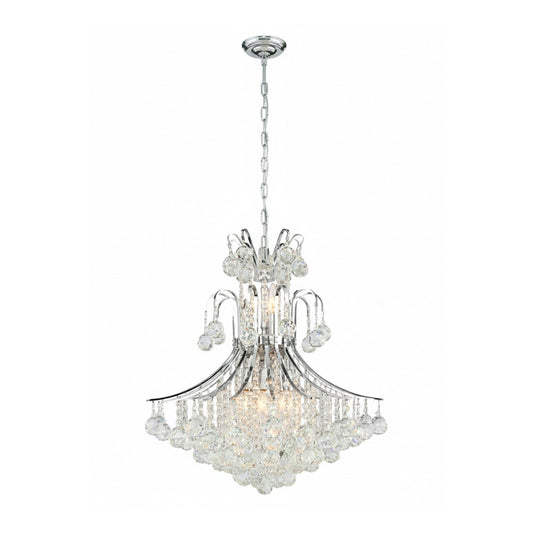
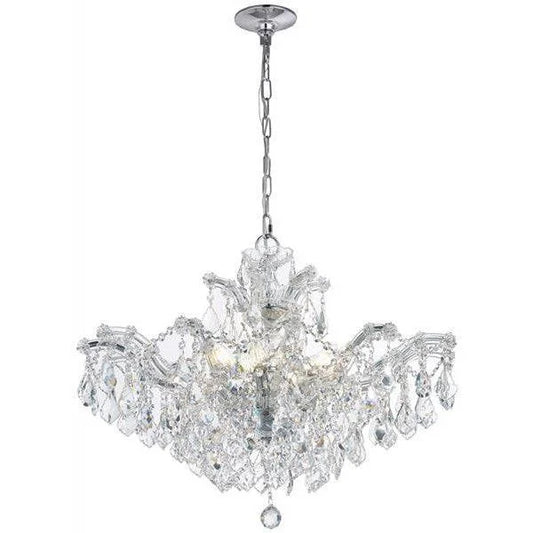
Classic crystal chandeliers add sparkle and detail, making them a natural choice for formal dining rooms, welcoming foyers, and elegant living spaces. Consider both the amount of crystal and the overall silhouette: a few accents create a softer effect, while cascading strands make a more dramatic statement.
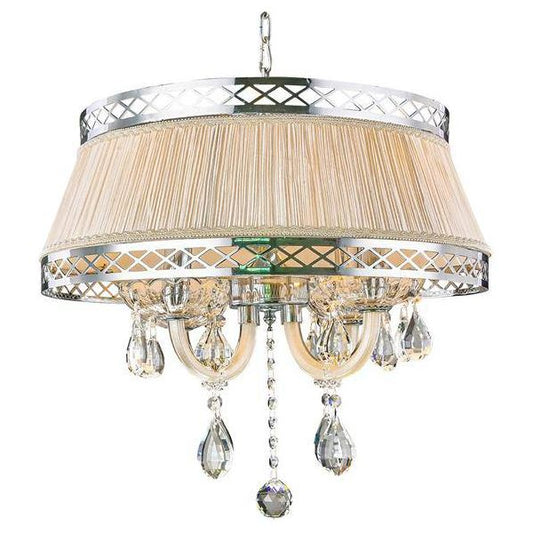
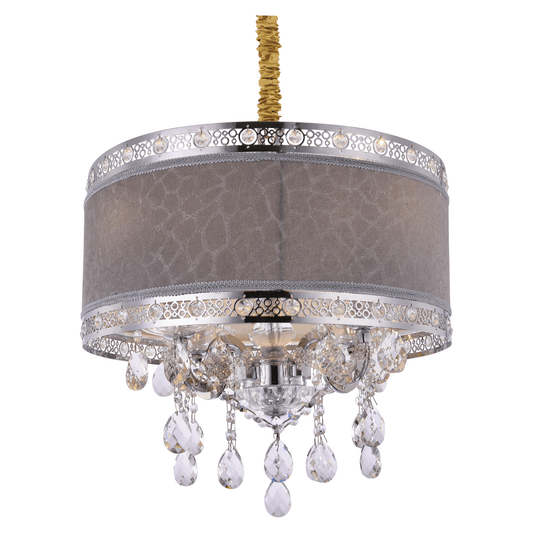
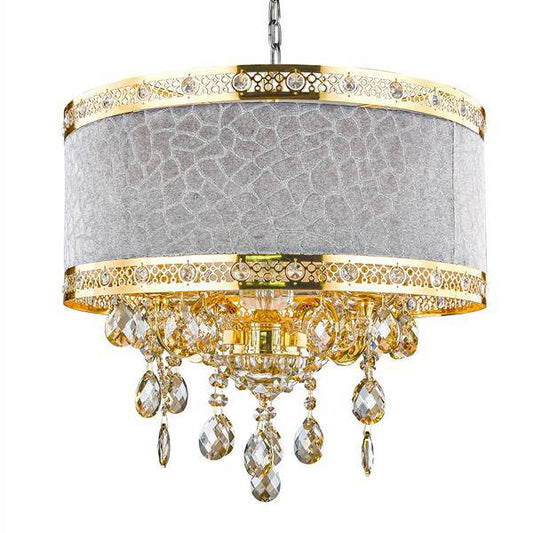
Shaded chandeliers offer a tailored appearance. Fabric shades can soften the light and help connect a chandelier with upholstered furniture, curtains, and other textiles.
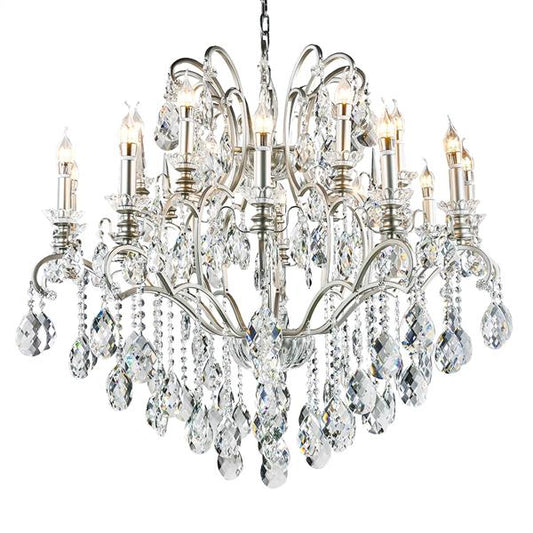
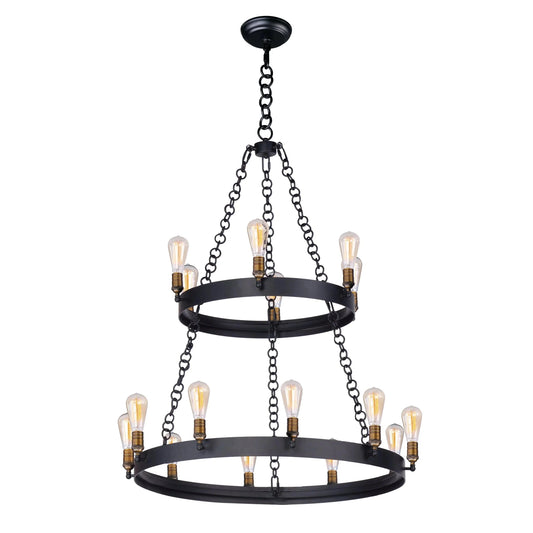
Tiered chandeliers suit larger rooms and taller ceilings. Their additional height and layers help fill open space, but the fixture should remain proportional to the room and the furniture below it.
Find the Right Size and Proportion
Choose your chandelier with both the room and its main furniture in mind. Above a dining table, the fixture should feel substantial while leaving space around the table’s edges. An elongated design can complement a rectangular table, while a round chandelier often pairs naturally with a round or square table.
Visual weight matters as much as measurements. A densely decorated crystal chandelier can look larger than an open-arm fixture with the same diameter. Check the chandelier’s width, body height, and adjustable hanging range before deciding, especially if your ceiling is low or your room has a compact layout.


Consider Ceiling Height and Placement
A dining-room chandelier usually looks best centred over the table, even when the table is not centred in the room. Its position should allow comfortable conversation and clear sightlines while keeping the light connected to the dining area.
In foyers and living rooms, allow comfortable clearance beneath the fixture and consider how it looks from nearby rooms. For a tall entrance, view the proposed placement from both the ground floor and any upper landing. Check the minimum installed height: an adjustable chain cannot make the chandelier’s body shorter.
For lower ceilings, a classic flush mount or semi-flush mount can provide a similar decorative character with less drop.
Select a Finish That Complements Your Home
Warm brass, antique gold, and bronze finishes pair well with wood furniture, warm neutrals, and traditional architectural details. Polished nickel and chrome introduce a brighter accent, while black can define a classic silhouette and connect it with darker hardware or furniture.
Your chandelier does not need to match every metal finish in the room. Repeating a finish in a few details can create cohesion without making the space feel overly coordinated. Where possible, view finishes alongside your paint, cabinetry, and fabric samples, as their appearance changes with the surrounding colours and light.
Plan for Comfortable, Flexible Light
Think about how the room will be used throughout the day. A chandelier may provide the main decorative light, but larger spaces often benefit from additional wall sconces, table lamps, or recessed lighting.
Bulb appearance also matters, particularly in open candle-style designs where each bulb is visible. Choose a bulb shape that complements the fixture, and check the specified bulb base and maximum wattage. If you want adjustable brightness, confirm that the fixture, bulbs, and dimmer are compatible.


Choosing the Right Colour Temperature
Colour temperature affects both the appearance of the chandelier and the atmosphere of the room.
A warmer colour temperature, such as 2700K, creates a comfortable and inviting appearance that works particularly well in dining rooms, living rooms, bedrooms, and other residential spaces.
Around 3000K provides a slightly cleaner, more neutral light while still maintaining warmth. It is a popular choice for contemporary interiors and open-concept homes.
Whichever colour temperature you choose, consistency with nearby lighting is important. Chandeliers, recessed lights, pendants, and other fixtures within the same visual area generally look more cohesive when their colour temperatures are coordinated.
Bring Classic Lighting into a Transitional Interior
A classic chandelier can work beautifully with simpler furniture and contemporary finishes. Look for restrained ornamentation, clean curved arms, or a single tier if you want a lighter interpretation of traditional style. Keeping nearby decorative elements simple gives the chandelier space to stand out while maintaining a balanced room.
Choose with Everyday Care in Mind
Consider how easily you can reach the fixture for dusting, cleaning, and bulb replacement. Detailed crystal arrangements and fabric shades may require more care than simpler open designs. Follow the manufacturer’s cleaning instructions to protect finishes and decorative components.
Explore Classic Chandeliers at Sparkle Light
Find a classic chandelier that suits your room’s proportions, your home’s finishes, and the atmosphere you want to create. Visit Sparkle Light’s Markham showroom with your room measurements, ceiling height, table dimensions, and a few photos to help narrow your choices. For a larger renovation or new home, ask about our complimentary in-showroom House Package consultation to coordinate lighting across your space.
Classic Chandeliers FAQ
What is a classic chandelier?
A classic chandelier features traditional design elements such as curved arms, symmetrical shapes, candle-style lights, and decorative details. Styles range from simple metal fixtures to elaborate crystal designs, making them suitable for both traditional and transitional interiors.
What size classic chandelier should I choose?
Consider the room’s dimensions, ceiling height, and furniture below the fixture. Above a dining table, choose a chandelier that feels balanced with the table and leaves space around its edges. Check both the fixture’s diameter and body height, as ornate designs can appear larger than simpler styles.
Can a classic chandelier work in a modern home?
Yes. A classic chandelier can add warmth and character to a modern interior. Choose a design with clean curved arms, subtle crystal accents, or minimal ornamentation, and connect its finish with other details in the room for a cohesive look.
Can I install a classic chandelier with a low ceiling?
Yes, provided its minimum installed height leaves sufficient clearance for the location. Compact, single-tier chandeliers may work above dining tables, while classic semi-flush or flush mounts are useful alternatives in areas where people walk beneath the fixture.
Are classic chandeliers compatible with LED bulbs and dimmers?
Many classic chandeliers with replaceable bulbs can use LED bulbs that match the required base, size, and fixture specifications. For dimming, confirm that the bulbs and dimmer are compatible. For fixtures with integrated LEDs, check the manufacturer’s dimming specifications before purchasing.
How do I clean a classic crystal chandelier?
Turn off the power and allow the bulbs to cool before cleaning. Dust gently with a soft, dry cloth and follow the manufacturer’s instructions for cleaning crystal and metal finishes. Avoid spraying cleaner directly onto the fixture, and use a professional cleaning service if the chandelier is difficult to reach safely.