Lighting for Living Room: Ideas, Fixtures & Design Inspiration

  • 4.9★ Google Rated

    Trusted by customers
  • Wide Selection

    Styles for Every Taste
  • Lighting Experts

    Advice before you buy
  • Premium Showroom

    Shop online & In-Store

VISIT OUR SHOWROOM

Visit_Showroom_16x9_60605159-1d52-471a-816c-451552206fc3


  • Fair Pricing

    Honest value every day
  • Ready to Ship

    In-stock options available

LIVING ROOM LIGHT GUIDE

The living room is one of the most versatile spaces in the home. It may be used for relaxing, entertaining, reading, watching television, or spending time with family, so the lighting should support several activities rather than rely on a single fixture.

A well-designed living room lighting plan combines ambient, task, and accent lighting to create a comfortable, functional, and visually balanced space.

Start with the Main Ceiling Light

The primary fixture provides the foundation of the room's lighting. Depending on the ceiling height, room size, and interior style, suitable options may include:
  • Chandeliers
  • Pendants
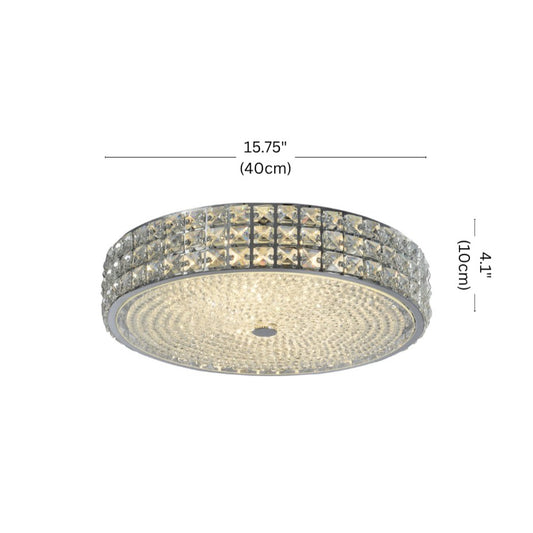
  • Flush-mount ceiling lights
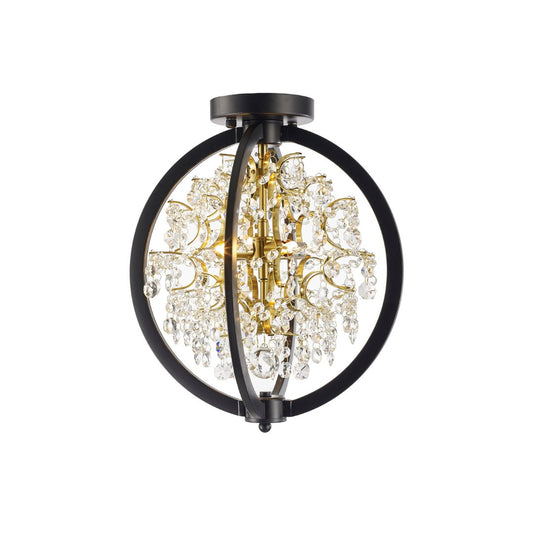
  • Semi-flush fixtures
  • Recessed downlights
  • Track lighting
  • Architectural lighting systems
For larger living rooms, one decorative fixture may not provide enough illumination on its own. Combining it with recessed, track, wall, or portable lighting can create better overall coverage.

Chandeliers for Living Rooms

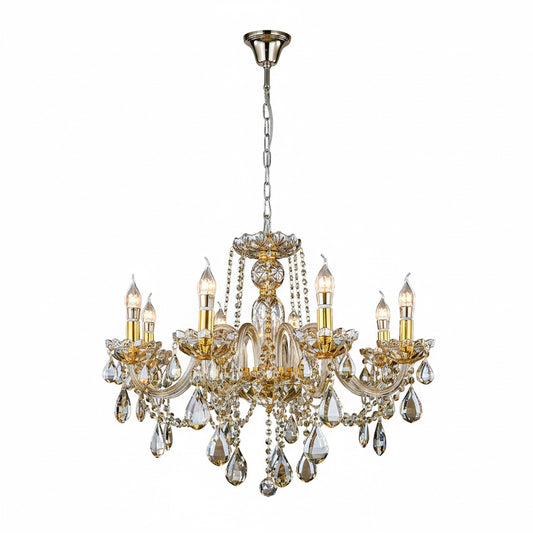
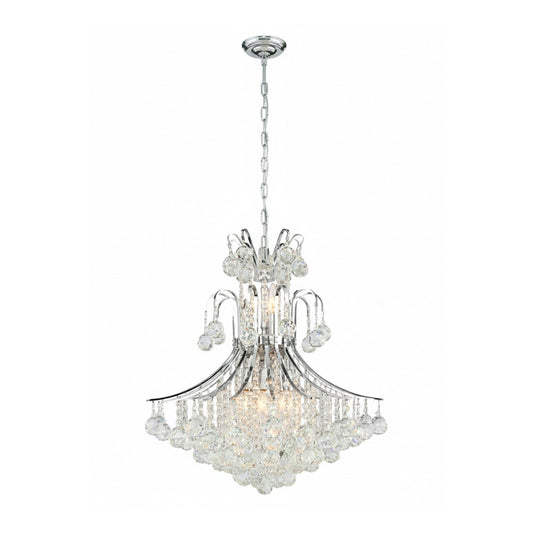
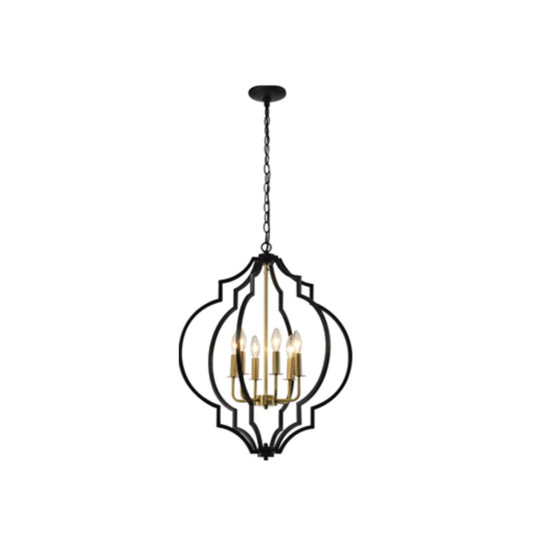
A living room chandelier can serve as both a source of illumination and a major design feature. Chandeliers work especially well in rooms with generous ceiling heights, open layouts, or prominent seating areas.

Choose a chandelier that is proportionate to the room rather than simply selecting the largest fixture available. In open-concept spaces, the chandelier can also help visually define the living area from the dining room or kitchen.

Recessed Lighting

Recessed downlights offer clean, unobtrusive general lighting and can be distributed throughout the ceiling to create even illumination.

Rather than positioning recessed lights solely in a uniform grid, consider how the room is actually used. Lights can be placed to support seating areas, illuminate walkways, highlight architectural features, or supplement a decorative central fixture.

Track & Architectural Lighting

Track lighting and architectural track systems provide flexibility because individual fixtures can be aimed toward different areas of the room.

They can be especially useful for:
  • Highlighting artwork
  • Illuminating feature walls
  • Lighting bookshelves
  • Accenting fireplaces
  • Directing light toward seating areas
  • Creating layered architectural lighting
Modern magnetic track systems can provide a particularly clean and minimalist appearance in contemporary living rooms.

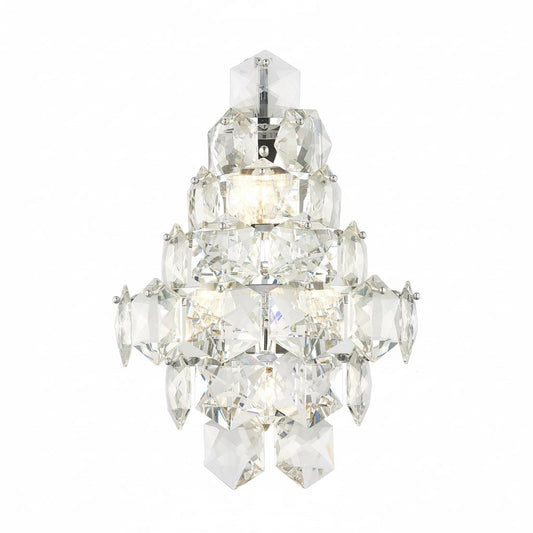
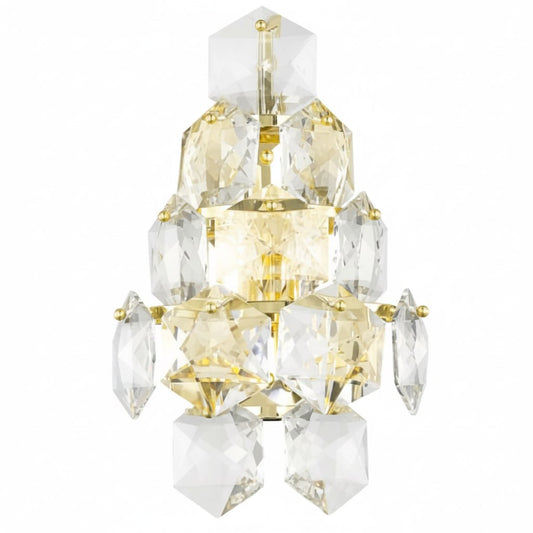
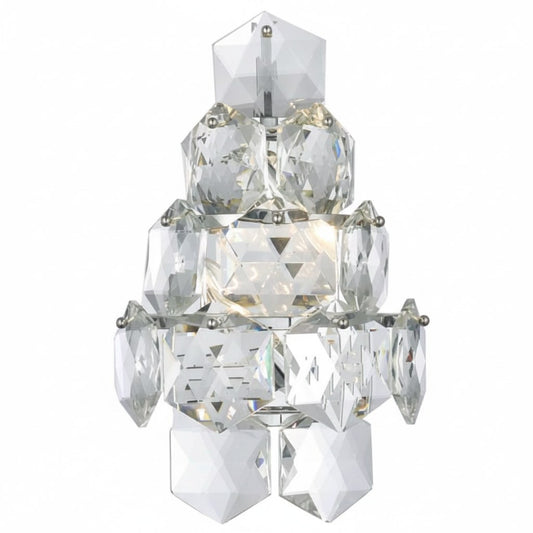
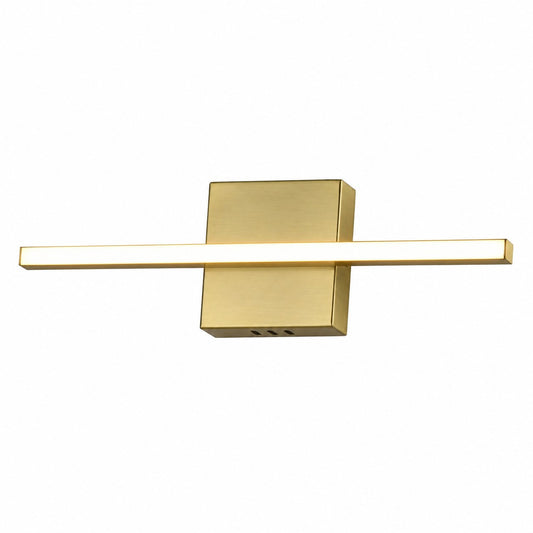
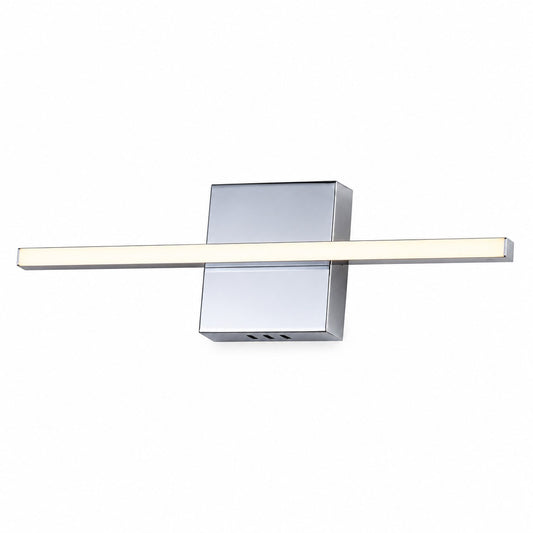
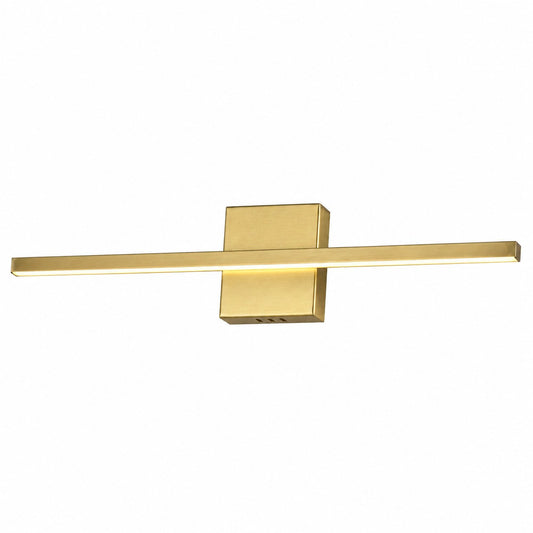
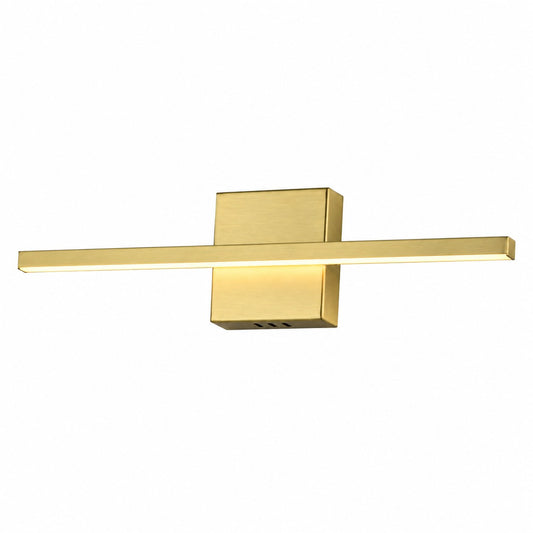
Wall Sconces

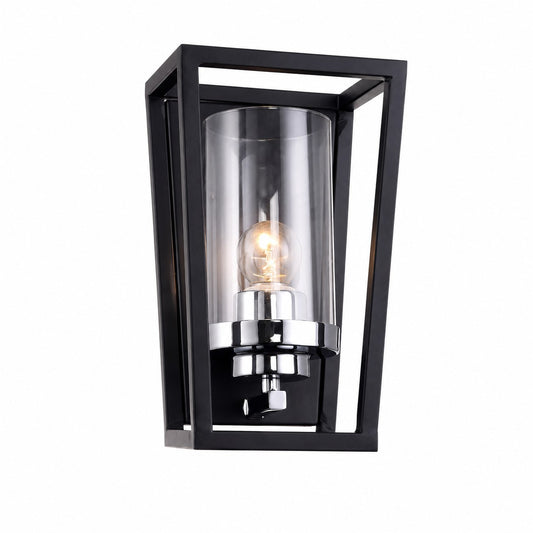
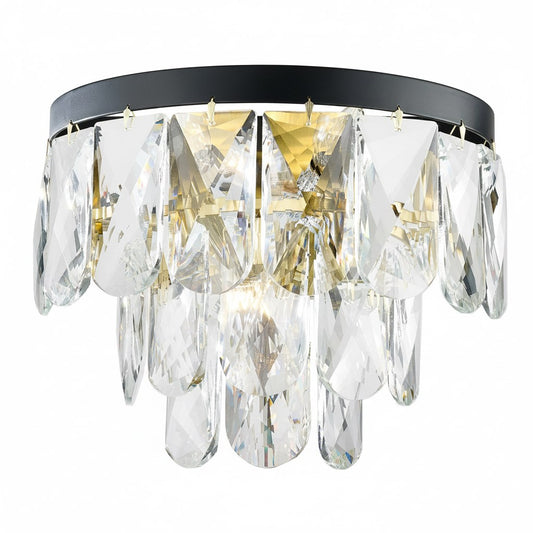
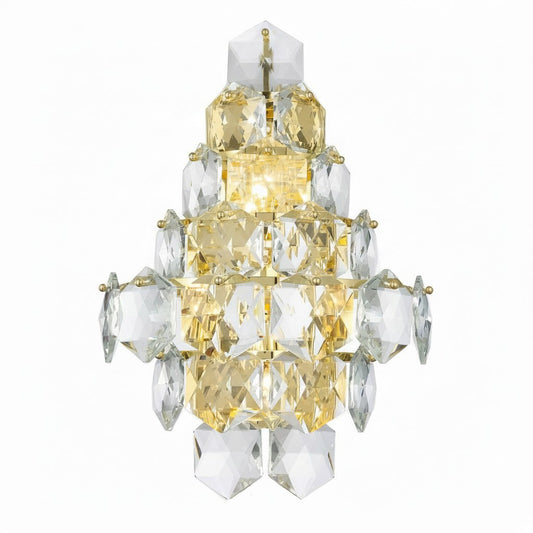
Wall sconces add another layer of light while also contributing to the design of the room. They can be installed beside fireplaces, artwork, architectural panels, shelving, or seating areas.

Sconces can provide soft ambient light or focused accent lighting depending on their design and light distribution.

Floor & Table Lamps

Portable lamps are valuable for creating warmer, more intimate lighting during the evening.

Floor lamps work well beside sofas, reading chairs, or room corners, while table lamps can be placed on end tables, consoles, and sideboards.

Because they can be turned on independently from the main ceiling lighting, lamps make it easy to adjust the atmosphere for different activities.

Create Layers of Light

A comfortable living room usually benefits from several lighting layers rather than one very bright fixture.

A typical lighting plan might combine:

Ambient Lighting
Provides the general illumination needed to move comfortably throughout the room.

Task Lighting
Provides additional light for reading, working, hobbies, or other activities.

Accent Lighting
Highlights artwork, fireplaces, decorative walls, shelving, plants, or architectural details.

Decorative Lighting
Adds visual interest through chandeliers, pendants, sconces, or statement lamps.

Using these layers together allows the room to feel brighter when needed while still creating a softer atmosphere in the evening.

Choose the Right Colour Temperature

For most living rooms, warm white lighting creates a comfortable and inviting environment.

Colour temperature is commonly measured in Kelvin (K). Warmer lighting tends to create a more relaxed residential atmosphere, while higher colour temperatures produce a cooler and more energetic appearance.

When several fixtures are used in the same room, choosing similar colour temperatures can help maintain a consistent appearance.

Consider Dimmable Lighting

Dimmers provide greater control over living room lighting throughout the day.

Brighter illumination may be useful for cleaning, entertaining, or daytime activities, while lower light levels can create a more relaxed atmosphere for television, conversation, or evening use.

Before installing a dimmer, confirm that the fixtures, LED lamps, drivers, and dimming controls are compatible.

Consider Ceiling Height

Ceiling height plays an important role when selecting living room fixtures.

For standard-height ceilings, flush mounts, semi-flush fixtures, recessed lights, and compact chandeliers can help maintain comfortable clearance.

Rooms with higher ceilings can accommodate larger chandeliers, multi-tier fixtures, oversized pendants, or suspended architectural lighting that better fills the vertical space.

Lighting an Open-Concept Living Room

In an open-concept home, lighting can help visually define individual functional areas.

For example:

A chandelier can define the living or conversation area
Pendants can identify the kitchen island
A dining fixture can anchor the dining table
Recessed or architectural lighting can connect the entire space
Accent lighting can highlight artwork or architectural features

Choosing fixtures that complement one another without being identical can help create a coordinated design throughout the open space.

Choosing the Right Living Room Lighting

The best living room lighting depends on the size of the room, ceiling height, furniture arrangement, natural light, interior style, and how the space will be used.

Instead of selecting each fixture independently, consider the complete lighting plan. Combining ceiling lights, chandeliers, recessed lighting, track systems, sconces, and lamps can create a living room that is comfortable during everyday use and flexible enough for entertaining, relaxing, and special occasions.
  • Quality Products

    Carefully selected fixtures
  • Local GTA Store

    Serving Markham & GTA

Living Room Lights FAQ

What type of lighting is best for a living room?

The best living room lighting usually combines several layers, including ambient, task, accent, and decorative lighting. Ceiling fixtures provide general illumination, while lamps, sconces, recessed lights, or track lighting can add focused and decorative light where needed.

How bright should a living room be?

Brightness depends on the room size, ceiling height, wall colours, natural light, and how the space is used. A living room should feel comfortably illuminated without excessive glare. Using multiple light sources and dimmers makes it easier to adjust brightness for relaxing, entertaining, reading, or watching television.

What colour temperature is best for living room lighting?

For most living rooms, warm white lighting around 2700K to 3000K creates a comfortable and inviting atmosphere. Slightly cooler light may be preferred in modern interiors, but maintaining a consistent colour temperature across fixtures generally creates a more cohesive appearance.

Should I use recessed lights in a living room?

Recessed lighting can be an excellent option for providing clean, even general illumination. It works particularly well when combined with a chandelier, pendant, sconces, lamps, or architectural lighting. Placement should consider furniture, artwork, walkways, and focal points rather than relying only on a uniform ceiling grid.

How do I choose the right chandelier for a living room?

Consider the room size, ceiling height, furniture layout, and overall design style. The chandelier should be proportionate to the room and positioned where it complements the seating arrangement or architectural focal point. Larger or taller rooms can generally accommodate more substantial fixtures.

Are dimmers recommended for living room lights?

Yes. Dimmers allow you to adjust the atmosphere and light level throughout the day. Brighter settings can be useful for cleaning or entertaining, while lower levels create a more relaxed environment in the evening. Always confirm that the LED fixtures, lamps, drivers, and dimmer controls are compatible.