

The kitchen is one of the most active spaces in the home, so its lighting needs to do more than simply brighten the room. A well-designed kitchen lighting plan combines general illumination, focused task lighting, and decorative fixtures to create a space that is comfortable, functional, and visually balanced.
Kitchen Lighting Fixtures: Stylish & Functional Lighting for Modern Kitchens
BROWSE KITCHEN LIGHTS

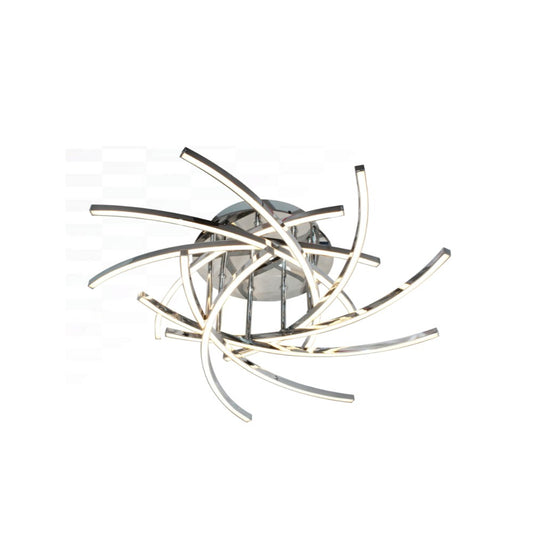
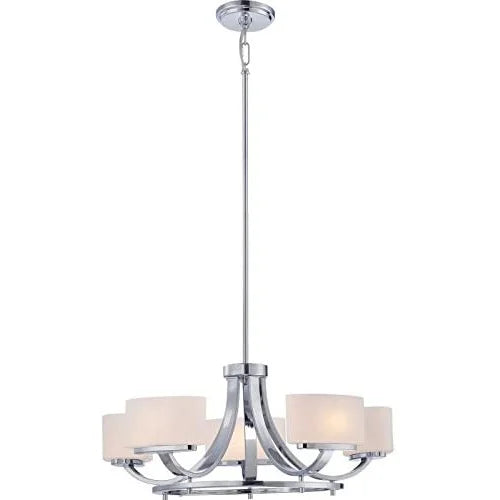
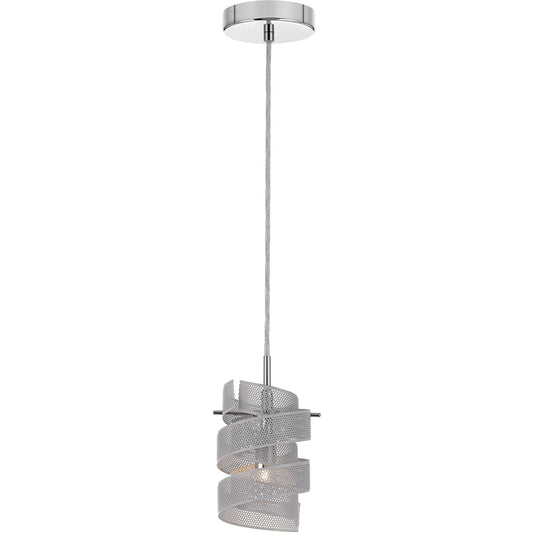
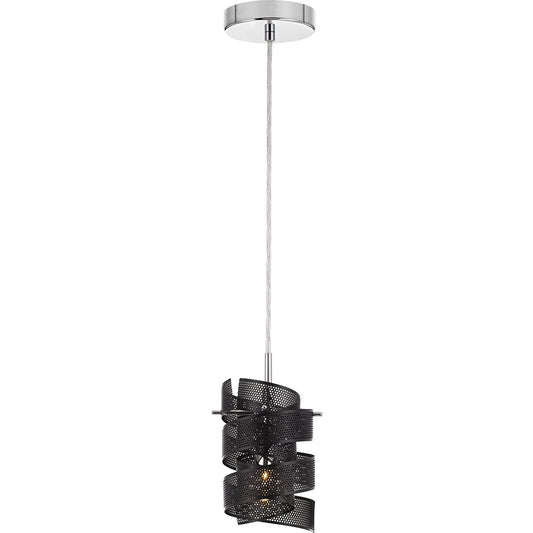
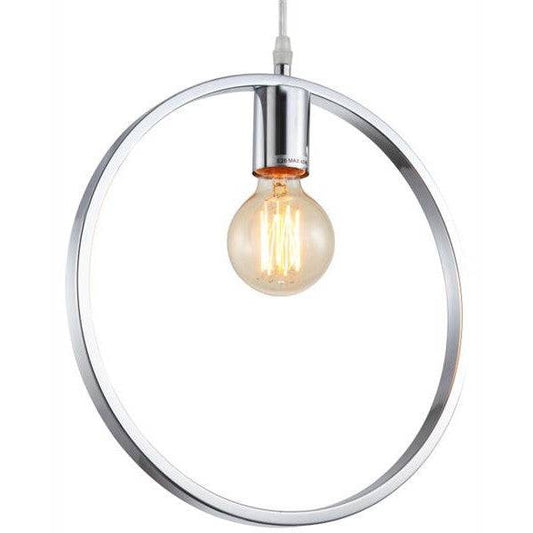
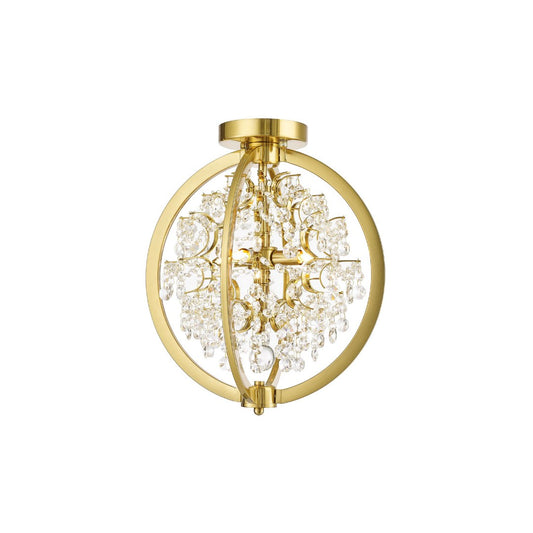
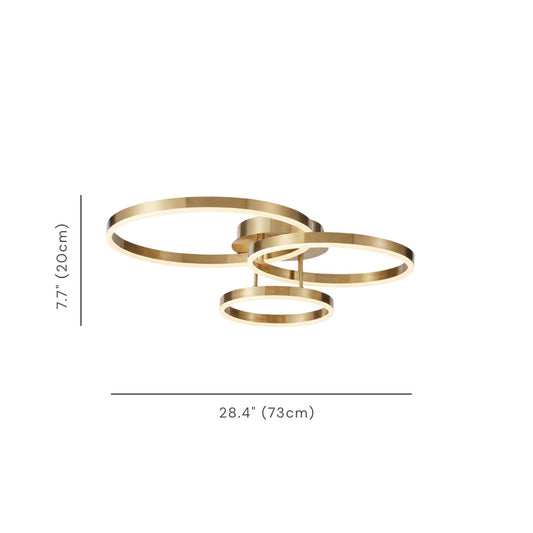
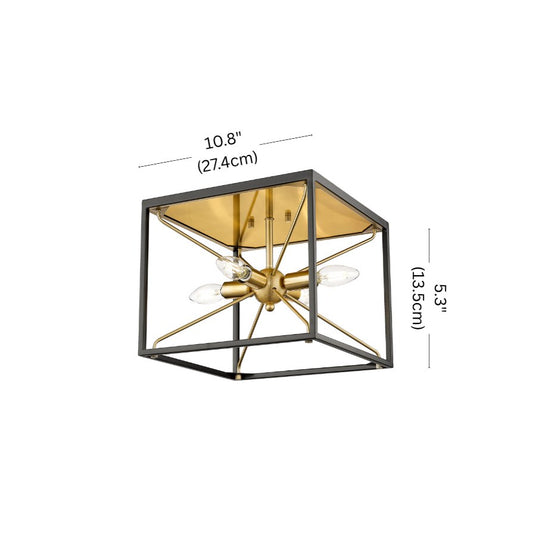

VISIT OUR SHOWROOM

KITCHEN LIGHT GUIDE
Start With Layered Lighting
The best kitchen lighting designs use several layers of light rather than relying on one central fixture. Recessed lights, flush mounts, or track lighting can provide the main ambient illumination, while pendants, under-cabinet lights, and other task fixtures add focused light where it is needed most.
Layering also gives you greater flexibility throughout the day, from bright light for cooking and cleaning to softer illumination when dining or entertaining.


Light Kitchen Islands & Peninsulas Properly
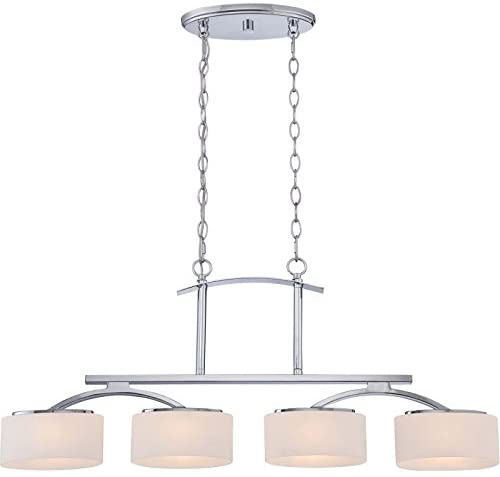
A kitchen island is often both a working surface and a visual focal point. Pendant lights or linear island fixtures can provide direct illumination while adding style and proportion to the room.
For longer islands, multiple pendants can create an attractive rhythm, while a single linear chandelier or multi-light pendant can provide a cleaner, more unified appearance. Fixture size and spacing should be selected according to the dimensions of the island and the surrounding cabinetry.


Use Recessed Lighting for Even Coverage
Recessed LED lighting is one of the most versatile choices for kitchens because it provides clean, unobtrusive illumination without competing with cabinetry or decorative fixtures.
Rather than simply placing recessed lights in a uniform grid, consider where light is actually required. Position fixtures to illuminate counters, walkways, appliances, and work areas while minimizing shadows created by people standing between the light source and countertop.
Add Task Lighting to Work Surfaces
Food preparation areas benefit from bright, focused lighting. Under-cabinet lighting is especially useful because it directs light onto countertops without producing distracting glare.
Task lighting should provide enough illumination for chopping, measuring, cooking, and cleaning while maintaining comfortable brightness throughout the rest of the kitchen.
Choose the Right Pendant Lights
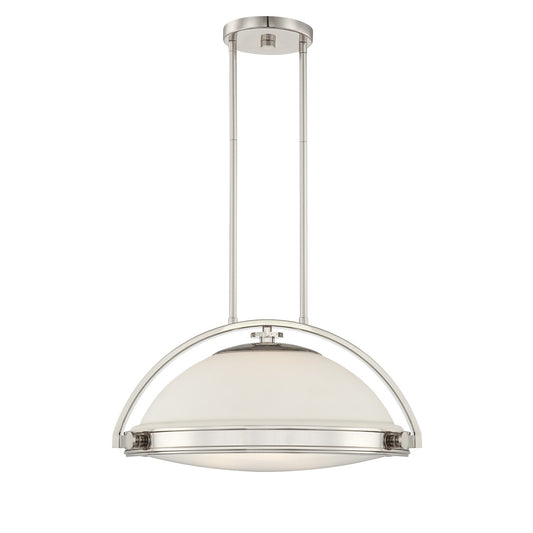
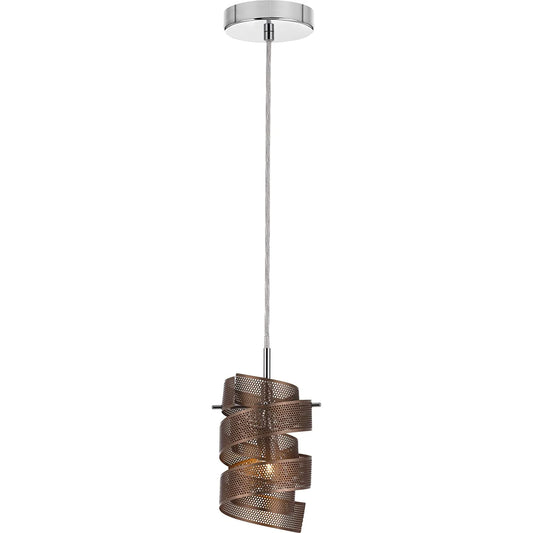
Kitchen pendants can range from subtle glass fixtures to bold decorative statement pieces. Consider the scale of the island, ceiling height, cabinetry, finishes, and sightlines into adjoining rooms when choosing a fixture.
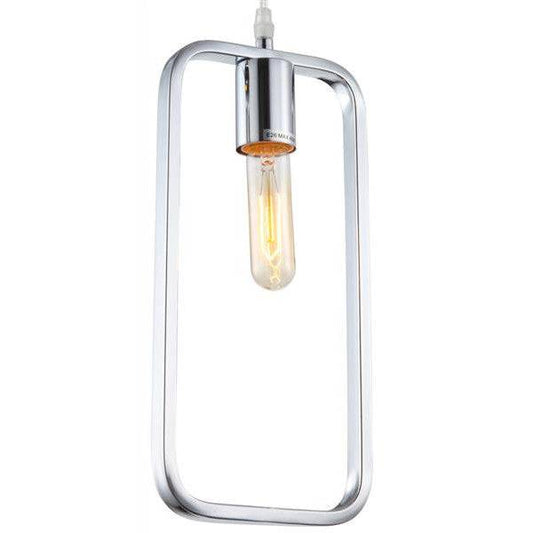
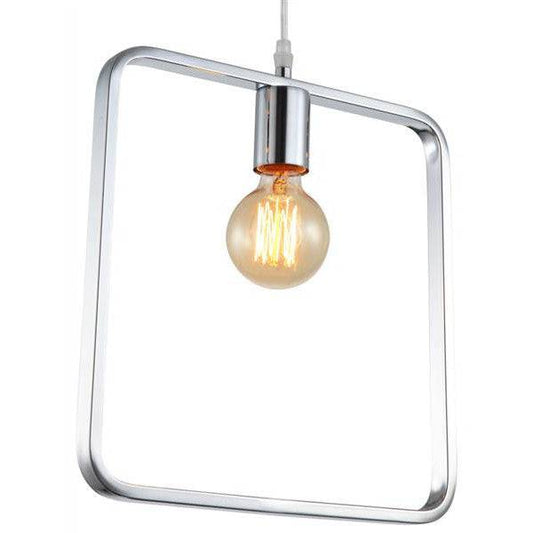
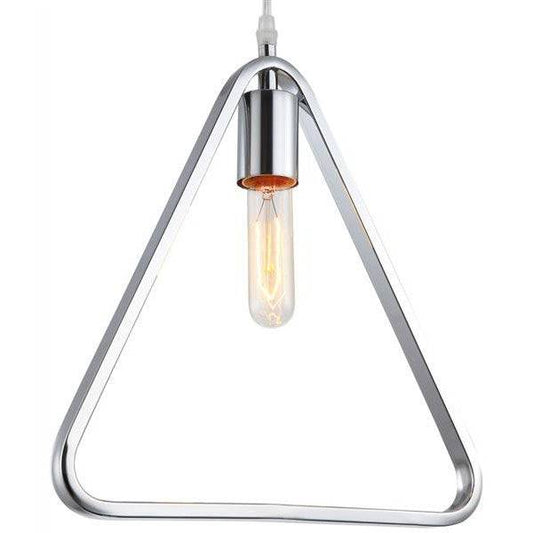
Clear or open-frame pendants can help maintain an airy feeling, while metal, opal glass, or sculptural fixtures can introduce stronger visual character. In open-concept homes, coordinating the kitchen pendants with nearby dining or living room lighting helps create continuity without requiring every fixture to match.


Consider Ceiling Height
Ceiling height has an important influence on fixture selection. Standard-height kitchens often work well with recessed lights, flush mounts, and appropriately suspended pendants. Higher or vaulted ceilings can accommodate larger pendants, chandeliers, or architectural lighting arrangements.
Fixtures above islands should be positioned low enough to illuminate the surface effectively but high enough to preserve comfortable sightlines across the room.


Select a Comfortable Colour Temperature
For most residential kitchens, warm white to neutral white LED lighting creates a comfortable environment while keeping food, countertops, and finishes looking natural.
Approximately 2700K–3000K creates a warmer residential atmosphere, while 3000K–3500K can provide a slightly cleaner and more task-oriented appearance. Using similar colour temperatures throughout connected spaces generally produces the most cohesive result.
Pay Attention to Colour Rendering
Kitchen lighting should accurately reveal the colours of food, cabinetry, countertops, backsplashes, and finishes. LEDs with a high Colour Rendering Index (CRI) can make materials appear richer and more natural while improving visibility during food preparation.
High-quality lighting is particularly valuable in kitchens featuring natural stone, wood cabinetry, colourful backsplashes, or carefully coordinated finishes.
Use Dimmers for Flexibility
Kitchen lighting does not need to remain at full brightness all day. Dimmers allow ambient and decorative fixtures to transition from bright task lighting during meal preparation to softer illumination during dinner or entertaining.
Where possible, place different lighting layers on separate controls so recessed lights, pendants, under-cabinet lighting, and decorative fixtures can be adjusted independently.
Coordinate Lighting With the Rest of the Home
In an open-concept layout, kitchen lighting is often visible from the dining room and living room. Fixtures should therefore complement the overall design language of the home.
Finishes such as black, brass, bronze, chrome, nickel, and mixed metals can be coordinated with cabinet hardware, faucets, appliances, and nearby decorative lighting. The goal is visual consistency rather than making every fixture identical.
Find the Right Kitchen Lighting at Sparkle Light
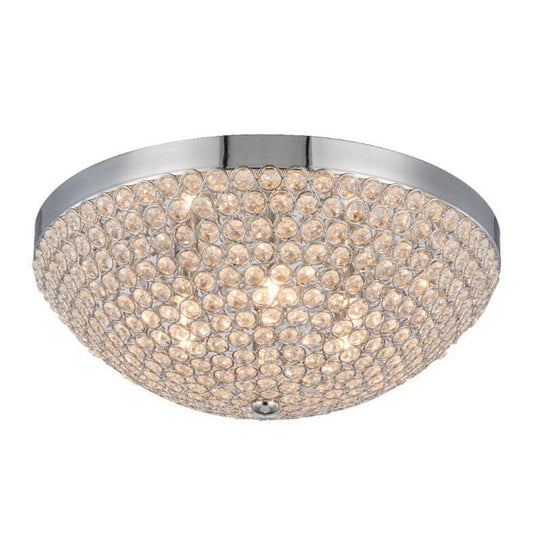
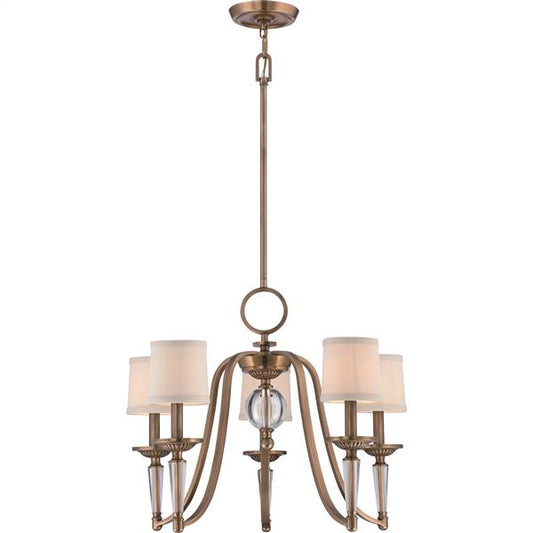
At Sparkle Light, we offer kitchen lighting solutions for a wide variety of layouts and interior styles, including pendant lights, island lighting, chandeliers, recessed lighting, track lighting, flush mounts, semi-flush fixtures, and under-cabinet lighting.
Visit our Markham lighting showroom to compare fixture sizes, finishes, light output, and styles in person. Our team can help you develop a coordinated kitchen lighting plan that balances practical illumination with the overall look of your home.
KITCHEN LIGhTS FAQ
What type of lighting is best for a kitchen?
The best kitchen lighting combines several layers, including ambient, task, and decorative lighting. Recessed lights or ceiling fixtures can provide general illumination, while pendants, under-cabinet lights, and other task lighting improve visibility over islands, countertops, and food preparation areas.
How many pendant lights should I use over a kitchen island?
The number of pendants depends on the length of the island, fixture size, and desired visual effect. Smaller islands may work well with two pendants, while longer islands may require three or more. A single linear chandelier or multi-light fixture can also be an effective alternative.
How high should pendant lights hang above a kitchen island?
Kitchen pendants are commonly positioned approximately 30–36 inches above the countertop, although the ideal height depends on ceiling height, fixture size, and the people using the space. The fixtures should provide useful light without blocking sightlines across the kitchen.
What colour temperature is best for kitchen lighting?
For most residential kitchens, 2700K–3500K works well. Around 2700K–3000K creates a warmer and more inviting appearance, while 3000K–3500K offers a slightly cleaner light that can be helpful for cooking and other tasks.
Should kitchen lighting be dimmable?
Yes. Dimmable kitchen lighting provides greater flexibility throughout the day. Brighter settings can be used for cooking and cleaning, while lower levels create a more comfortable atmosphere for dining, entertaining, or relaxing. Separate dimmers for different lighting layers provide even greater control.
How do I choose kitchen lighting for an open-concept home?
Choose fixtures that coordinate with the surrounding dining and living areas in terms of style, finish, scale, and colour temperature. The fixtures do not have to match exactly, but they should share enough design elements to create a cohesive appearance throughout the open space.