

Bathroom lighting should make everyday routines easier while also creating a clean, comfortable atmosphere. A strong lighting plan combines general illumination, focused vanity lighting, and decorative or accent lighting so the space works well for grooming, bathing, and relaxing.
Bathroom Light: Brighten Your Space with Style and Functionality
BROWSE BATHROOM LIGHTS
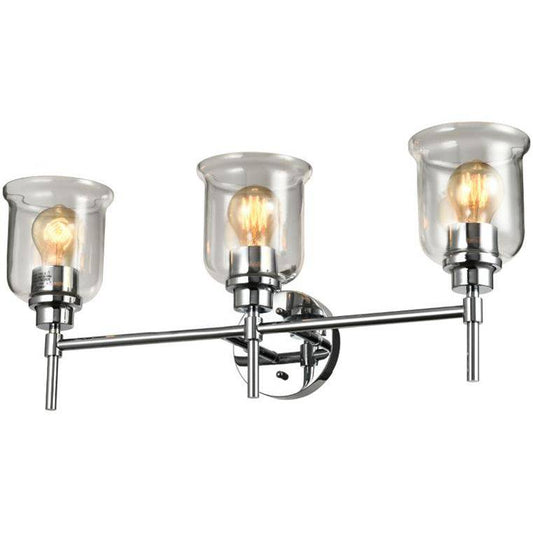
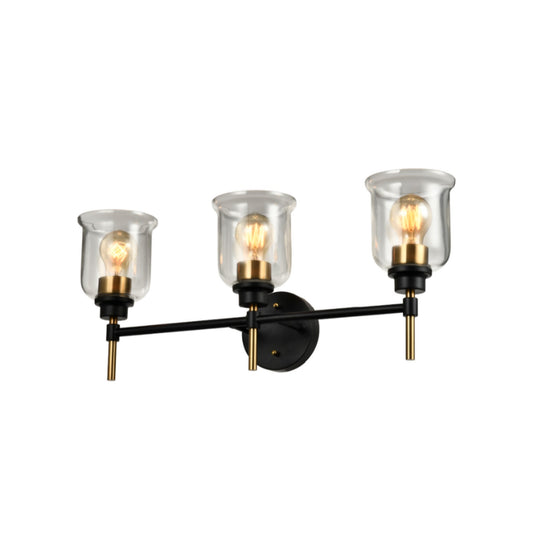
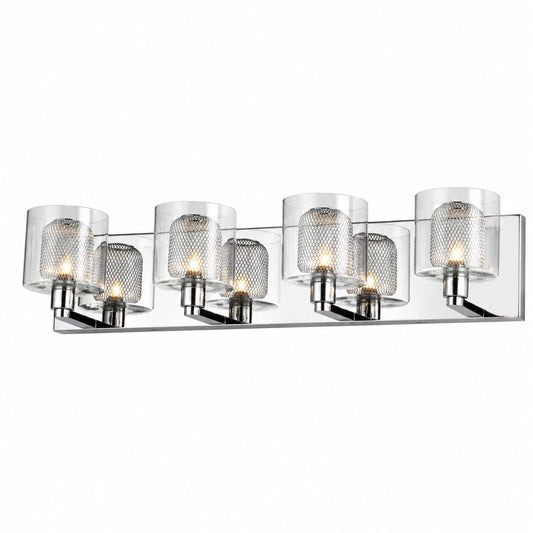
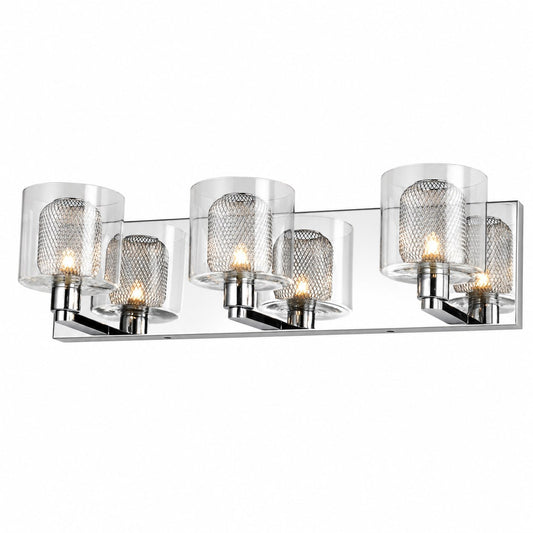
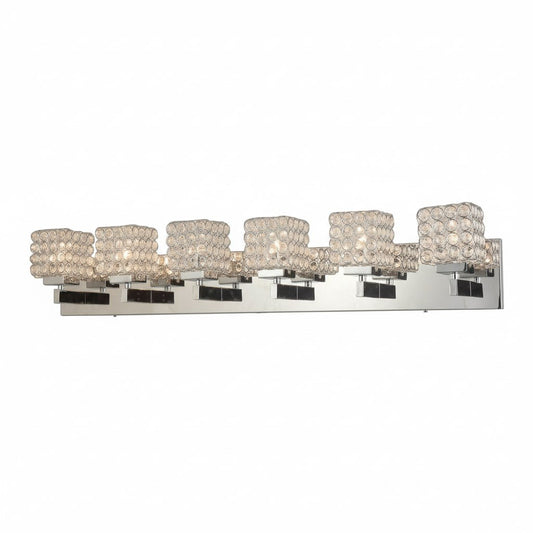
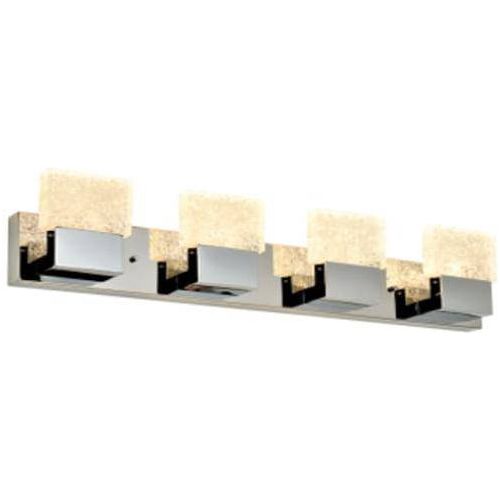
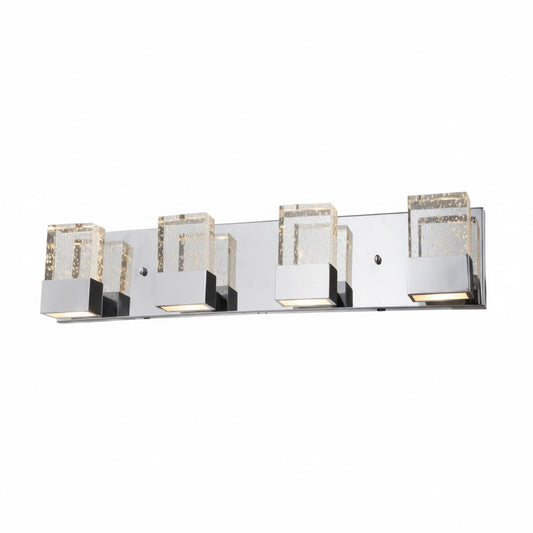

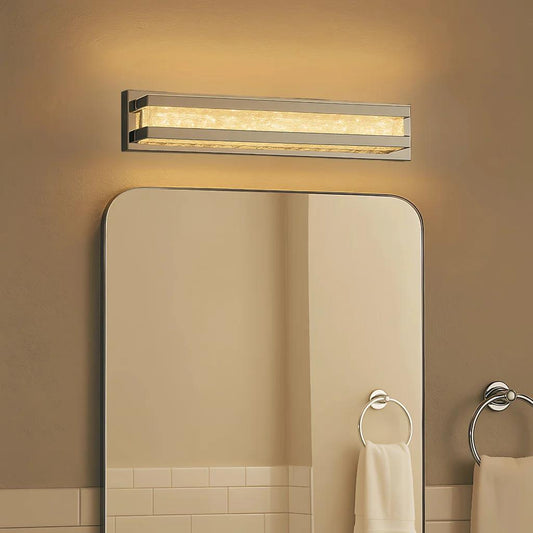
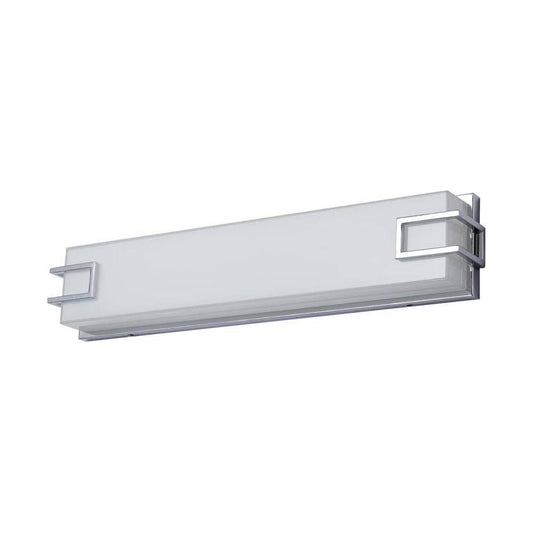


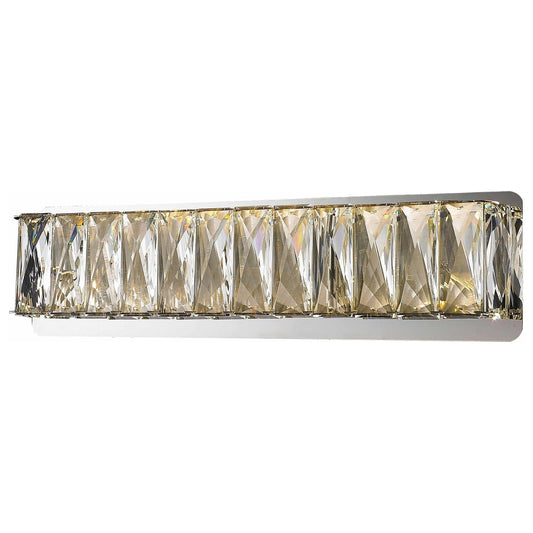



VISIT OUR SHOWROOM

BATHROOM LIGHTING GUIDE
Start With Layered Bathroom Lighting
Relying on one ceiling fixture often creates shadows and uneven illumination. A better approach is to combine several layers of light.
Recessed lights, flush mounts, or ceiling fixtures can provide the main ambient lighting, while vanity lights, wall sconces, and mirror lighting improve visibility around the sink and grooming areas. Decorative fixtures can then add character and help tie the bathroom design together.


Prioritize Vanity Lighting
The vanity is one of the most important lighting areas in a bathroom. Good vanity lighting should illuminate the face evenly without creating strong shadows under the eyes, nose, or chin.
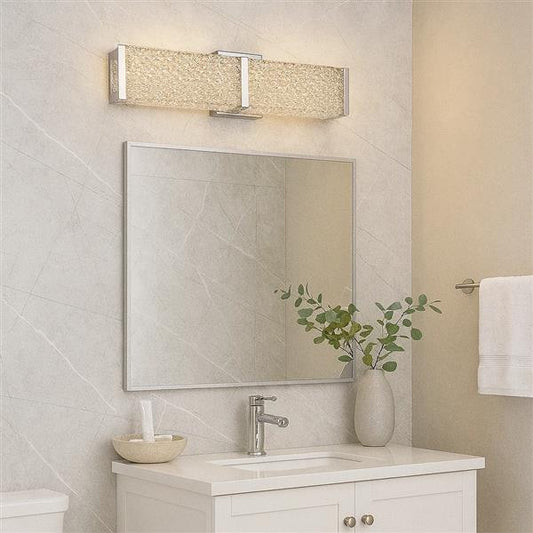
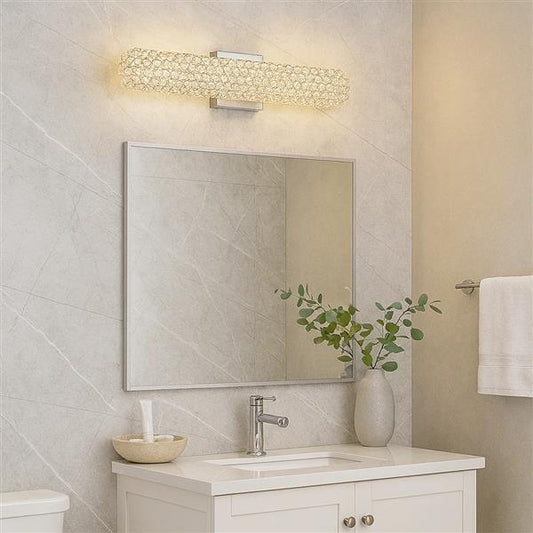
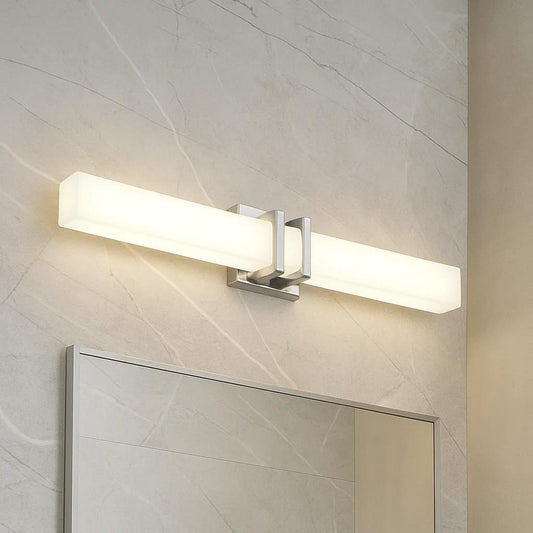
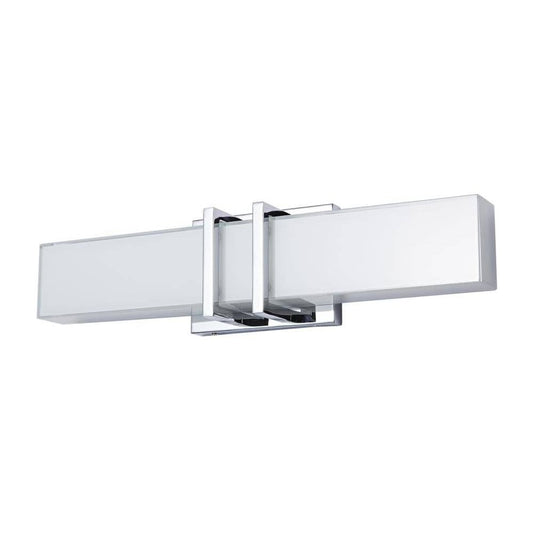
Wall sconces positioned on both sides of the mirror can provide excellent facial illumination. A properly sized bath bar or vanity light above the mirror is also a practical option, particularly when wall space is limited.


Choose the Right Size Vanity Light
The vanity light should feel proportional to both the mirror and the cabinet below it. Fixtures that are too small may not provide enough illumination, while oversized fixtures can overwhelm the space.
For wider vanities, consider a longer bath bar or multiple fixtures. Double-sink vanities may benefit from separate lighting zones or a combination of overhead and side-mounted fixtures.
Use Ceiling Lighting for General Illumination
Bathrooms still need good overall lighting beyond the vanity area. Recessed LED lights, flush mounts, and semi-flush fixtures can provide even illumination throughout the room.
In larger bathrooms, ceiling lighting can help brighten walkways, storage areas, tubs, and other spaces that may not receive enough light from the vanity fixtures alone.
Consider Lighting Around the Shower and Tub
Showers and tubs often benefit from dedicated lighting, especially in larger bathrooms. Recessed lighting can improve visibility while keeping the ceiling visually clean.
Fixtures installed in or near wet locations should always be appropriately rated for the application. This is particularly important around showers, tubs, and areas exposed to moisture.


Choose a Comfortable Colour Temperature
For most residential bathrooms, 2700K–3500K provides a comfortable balance between warmth and clarity.
Around 2700K–3000K creates a softer, more relaxing residential atmosphere, while 3000K–3500K can provide a cleaner appearance that is useful for grooming, makeup, and other detailed tasks.
Using a consistent colour temperature across vanity, ceiling, and accent lighting usually creates the most cohesive result.


Look for High Colour Rendering
Bathrooms are spaces where accurate colour is especially important. Lighting with a high Colour Rendering Index (CRI) helps skin tones, makeup, clothing, tile, countertops, and finishes appear more natural.
High-CRI LED lighting can be particularly useful around mirrors and vanity areas where detailed grooming takes place.
Add Dimmers for Greater Flexibility
Bathroom lighting does not always need to be at full brightness. Dimmers allow you to use brighter light for morning routines and softer light when bathing or preparing for bed.
For larger bathrooms, placing vanity lighting, ceiling lighting, and decorative fixtures on separate controls can provide even greater flexibility.
Match Fixtures With Bathroom Finishes
Bathroom lighting can help reinforce the overall design style of the room. Finishes such as black, brass, chrome, nickel, bronze, and mixed metals can coordinate with faucets, cabinet hardware, mirrors, and accessories.
Fixtures do not need to match every finish exactly, but they should feel intentional and balanced within the overall design.
Consider Mirror Size and Placement
Mirror dimensions can have a major influence on vanity light selection. A wide mirror may require a longer bath bar, while individual mirrors over a double vanity can work well with separate sconces or fixtures.
Consider both the width and height of the mirror before selecting lighting so the finished arrangement feels proportional and provides useful illumination.
Choose Fixtures Suitable for Bathroom Conditions
Bathrooms contain higher levels of humidity and moisture than most rooms in the home. Lighting near showers, tubs, and other wet areas should be selected with the appropriate damp-location or wet-location rating for its installation area.
Always follow the fixture manufacturer's installation requirements and applicable electrical codes.
Find the Right Bathroom Lighting at Sparkle Light
At Sparkle Light, we offer bathroom lighting for a wide range of layouts and styles, including vanity lights, bath bars, wall sconces, recessed lighting, flush mounts, semi-flush fixtures, and decorative ceiling lights.
BATHROOM LIGHTING FAQ
What type of lighting is best for a bathroom?
The best bathroom lighting combines ambient, task, and accent lighting. Ceiling fixtures or recessed lights provide general illumination, while vanity lights or wall sconces improve visibility around mirrors and grooming areas.
Should bathroom vanity lights be above or beside the mirror?
Both options can work, but sconces placed on both sides of the mirror often provide the most even facial lighting and help reduce shadows. A bath bar or vanity fixture above the mirror is also a practical choice when side wall space is limited.
What colour temperature is best for bathroom lighting?
Most residential bathrooms work well with lighting between 2700K and 3500K. Warmer light around 2700K–3000K creates a more relaxing atmosphere, while 3000K–3500K provides a cleaner appearance that can be useful for grooming and makeup.
Can recessed lights be installed above a shower?
Yes, but fixtures installed in or near a shower must be appropriately rated for wet or damp locations, depending on the installation. Always follow the fixture manufacturer's requirements and applicable electrical codes.
Should bathroom lighting be dimmable?
Yes. Dimmers provide flexibility by allowing brighter light for morning routines and softer lighting for bathing or evening use. In larger bathrooms, separate controls for vanity, ceiling, and accent lighting can create an even more comfortable environment.
How do I choose the right size vanity light?
Choose a vanity light that is proportional to the mirror and vanity width. Wider mirrors may require longer bath bars or multiple fixtures, while smaller vanities can use more compact fixtures. The goal is to provide even illumination without overwhelming the mirror or cabinetry.