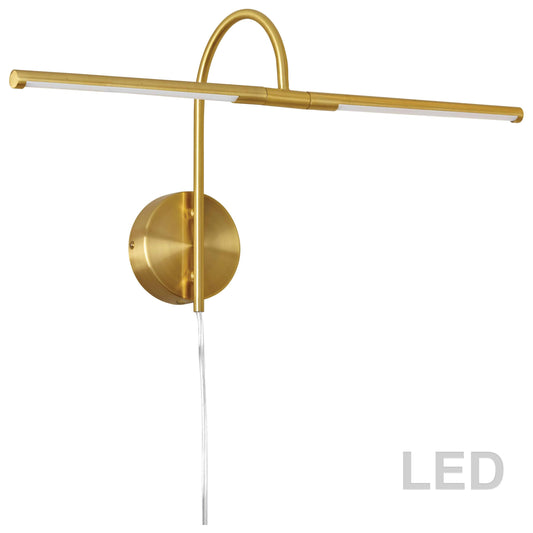
Picture Lights

  • 4.9★ Google Rated

    Trusted by customers
  • Wide Selection

    Styles for Every Taste
  • Lighting Experts

    Advice before you buy
  • Premium Showroom

    Shop online & In-Store

VISIT OUR SHOWROOM

Visit_Showroom_16x9_60605159-1d52-471a-816c-451552206fc3


  • Fair Pricing

    Honest value every day
  • Ready to Ship

    In-stock options available

PICTURE LIGHTS BUYING GUIDE

Picture lights add focused illumination to paintings, photographs, prints, tapestries, and other decorative displays. By directing light toward the artwork instead of the entire room, they bring out colour, texture, and detail while creating an elegant focal point.

Picture lights can be used in living rooms, dining rooms, bedrooms, hallways, home offices, libraries, galleries, and commercial interiors. They also work beautifully above bookshelves, decorative wall panels, and collections of framed photographs.

Choosing the Right Size Picture Light

The picture light should complement the artwork without overpowering it.

As a general guideline:
  • Choose a picture light approximately one-half the width of the artwork or frame.
  • For slim, contemporary fixtures, a slightly wider light may provide more even coverage.
  • Small artwork may require a compact picture light.
  • Large paintings or wide frames may benefit from a longer fixture or more than one light.
  • For a gallery wall, use consistently sized fixtures to create a coordinated appearance.
Consider both the width of the artwork and the spread of light produced by the fixture. The goal is to illuminate the display evenly without creating a bright spot in the centre or leaving the edges too dark.

Hardwired, Plug-In, or Battery-Operated Picture Lights

Picture lights are available with different power options:

Hardwired Picture Lights
Hardwired models provide a clean, permanent appearance with no visible cord. They are an excellent choice for renovations, custom homes, galleries, and professionally designed interiors.

Plug-In Picture Lights
Plug-in fixtures are easier to add to an existing room where electrical wiring is not available directly behind the artwork. Some include an in-line switch for convenient operation.

Battery-Operated Picture Lights
Battery-operated models provide installation flexibility and do not require wiring. They can be useful for rental properties, temporary displays, or locations where adding an electrical connection is difficult.

When planning a new room or renovation, consider the picture-light location before the walls are finished so the electrical box can be positioned properly.

Selecting the Best Light for Artwork

The quality of light affects how artwork appears. Look for a picture light that provides balanced illumination and accurate colour reproduction.

Important factors include:
Colour Temperature:
Warm white light around 2700K creates a comfortable, traditional atmosphere. A slightly clearer 3000K light works well in modern and contemporary interiors while keeping artwork natural-looking.

Colour Rendering:
A high Colour Rendering Index, or CRI, helps paintings, photographs, and decorative objects appear closer to their original colours.

Brightness:
The light should enhance the artwork without overpowering the room. Dimmable picture lights allow the brightness to be adjusted for different times of day and changing ambient-light conditions.

Light Distribution:
Choose a fixture that spreads light evenly across the display. Adjustable shades and arms make it easier to control the direction of the beam and reduce unwanted glare.

LED Technology:
Integrated LED picture lights provide energy-efficient illumination, long operating life, and a slim contemporary appearance.

Picture Light Placement and Adjustment

Picture lights are normally installed above the artwork and centred with the frame. The fixture should extend outward far enough to direct light across the artwork rather than only onto its upper edge.

For effective placement:
  • Centre the fixture above the artwork.
  • Adjust the shade or arm so the light reaches most of the display.
  • Aim the light downward at approximately a 30-degree angle as a starting point.
  • Check the artwork from the room’s normal viewing position.
  • Adjust the angle to minimize glare and reflections.
  • Avoid placing the fixture where it blocks part of the frame or casts a strong shadow.
Artwork behind reflective glass may require additional adjustment. A dimmable fixture or a model with an adjustable arm can help control reflections.

For hardwired installation, use a qualified electrician and follow the fixture manufacturer’s installation instructions.

Choosing a Finish and Style

Picture lights are available in styles ranging from traditional and transitional to minimalist and contemporary.

Popular finishes include:
  • Aged brass and antique brass for classic interiors
  • Natural or satin brass for warm contemporary spaces
  • Matte black for modern and minimalist rooms
  • Polished nickel and chrome for a clean, refined appearance
  • Bronze for traditional, rustic, and transitional décor
The fixture can coordinate with the artwork’s frame, nearby wall lights, cabinet hardware, or other finishes in the room. It does not need to match every metal finish exactly, but it should feel connected to the overall design.

Where Picture Lights Can Be Used

Although they are primarily designed for artwork, picture lights can highlight many decorative features, including:
  • Paintings and framed prints
  • Family photographs and portraits
  • Gallery walls
  • Bookshelves and built-in cabinetry
  • Decorative mirrors
  • Sculptures and wall-mounted objects
  • Tapestries and textured wall panels
  • Restaurant, hotel, and retail displays
Picture lights work best as part of a layered lighting plan. General ceiling lighting provides overall brightness, while picture lights create emphasis, visual depth, and atmosphere.

Find Picture Lights at Sparkle Light

Visit the Sparkle Light showroom in Markham to explore picture lights in a variety of sizes, styles, finishes, and lighting technologies.

Bring the dimensions or a photograph of your artwork and wall area. Our team can help you compare fixture widths, finishes, light colours, and installation options to find a picture light that suits both the artwork and the surrounding room.
  • Quality Products

    Carefully selected fixtures
  • Local GTA Store

    Serving Markham & GTA

Picture Lights FAQ

What is a picture light?

A picture light is a wall-mounted fixture designed to direct focused illumination onto artwork, photographs, prints, bookshelves, or decorative displays. It highlights details and helps the displayed piece become a focal point in the room.

What size picture light should I choose?

As a general guideline, choose a picture light approximately one-half the width of the artwork or frame. Slim contemporary fixtures may be slightly wider. The ideal size also depends on the fixture’s beam spread, extension, and adjustability.

Should the picture light match the frame?

The picture light does not need to match the frame exactly. It can coordinate with the frame, nearby lighting, furniture hardware, or other finishes in the room. Brass, black, bronze, polished nickel, and chrome are popular choices.

What colour temperature is best for artwork?

Warm white light between approximately 2700K and 3000K works well for most residential artwork. A high-CRI light source is also recommended because it helps colours appear natural and accurate.

Should a picture light be centred over the artwork?

Yes. In most installations, the picture light should be centred horizontally above the artwork. The shade or arm can then be adjusted to distribute light evenly across the display.

Can picture lights be dimmed?

Many picture lights are dimmable, but compatibility depends on the fixture, LED driver, bulb, wall control, or built-in dimming system. Check the product specifications before selecting a dimmer.

Are picture lights only for paintings?

No. Picture lights can also illuminate photographs, gallery walls, bookshelves, tapestries, decorative mirrors, sculptures, wall panels, and commercial displays.

Are picture lights hardwired?

Picture lights may be hardwired, plug-in, or battery-operated. Hardwired fixtures offer the cleanest permanent appearance, while plug-in and battery-operated models provide greater flexibility in existing spaces.