

Your entryway is the first impression of your home, so the lighting should feel welcoming, functional, and appropriately scaled. The best entryway lighting provides enough illumination for everyday tasks while complementing the architecture and style of the surrounding space.
Entryway & Foyer Lighting Fixtures — Make a Stunning First Impression
BROWSE ENTRYWAY LIGHTS


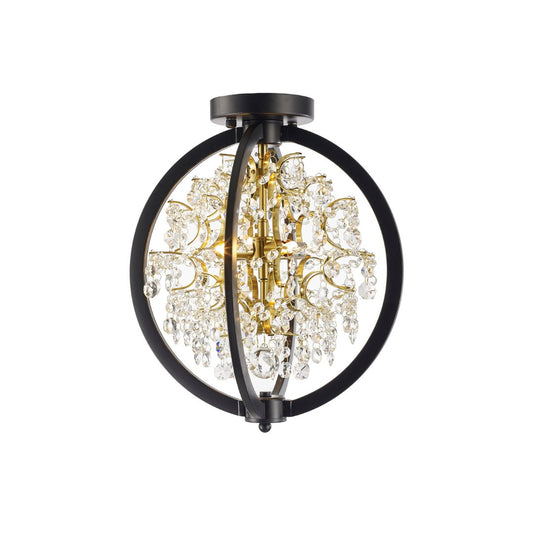
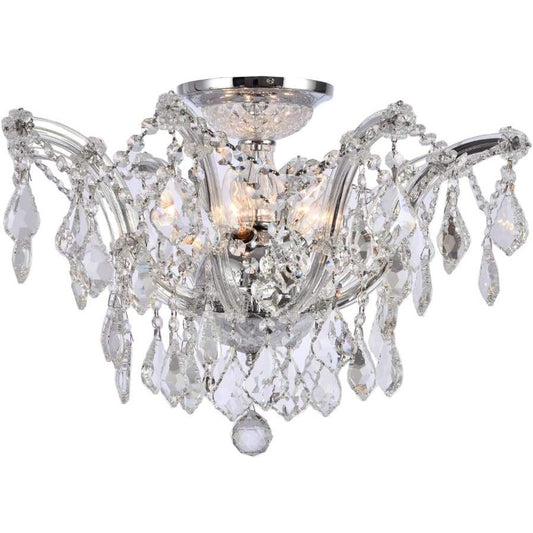
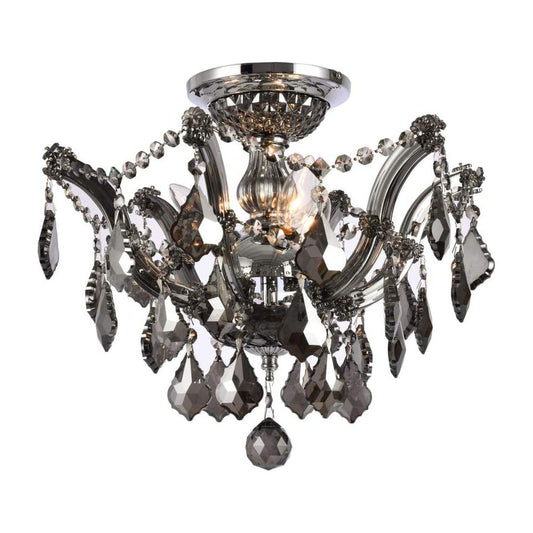
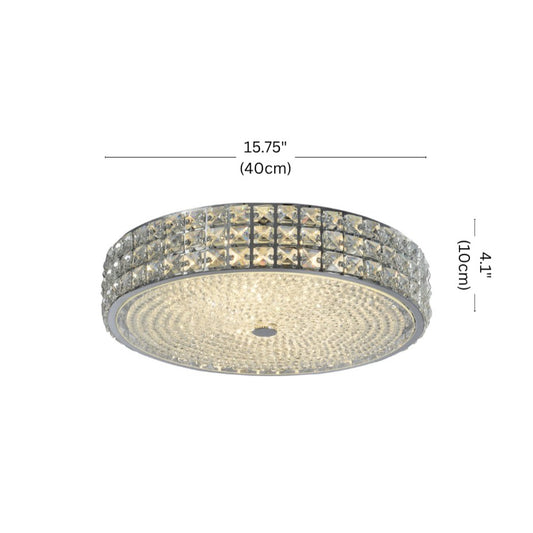

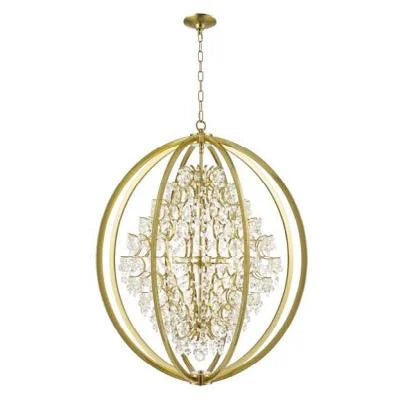
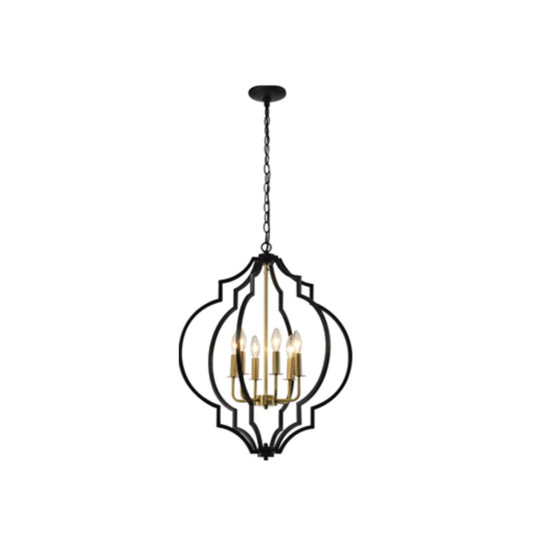
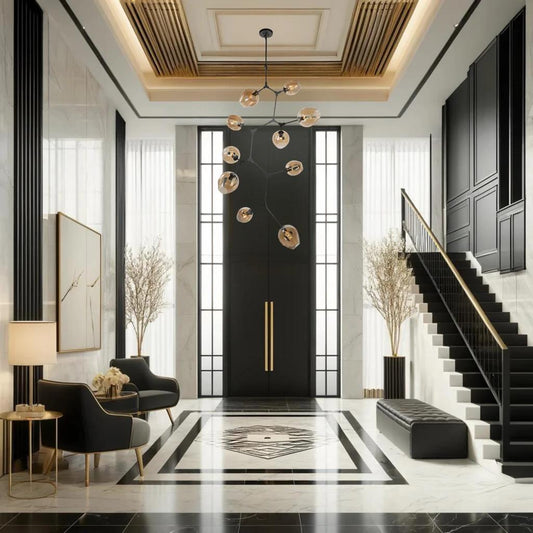
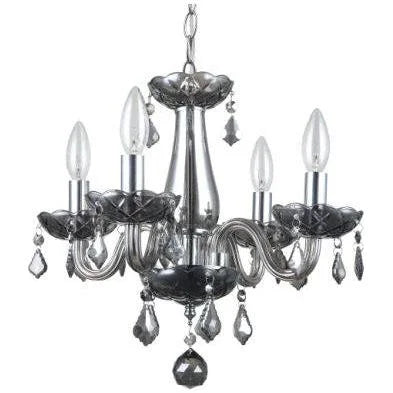
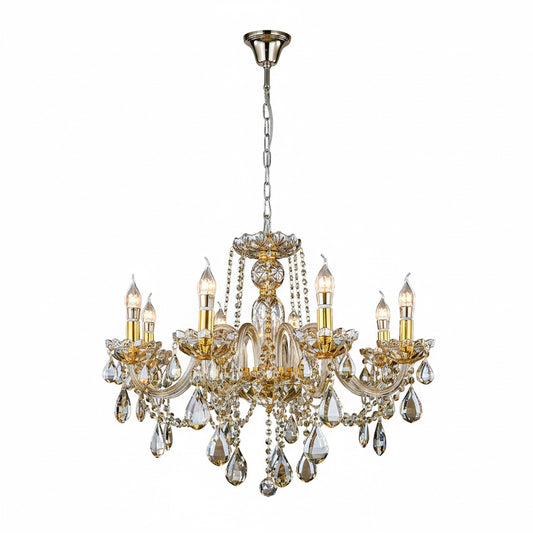
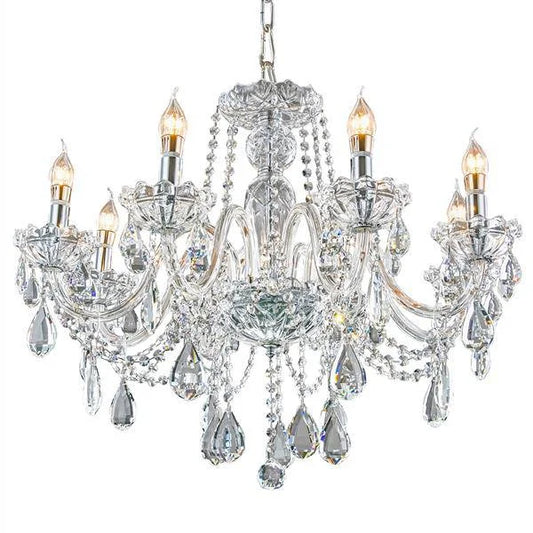
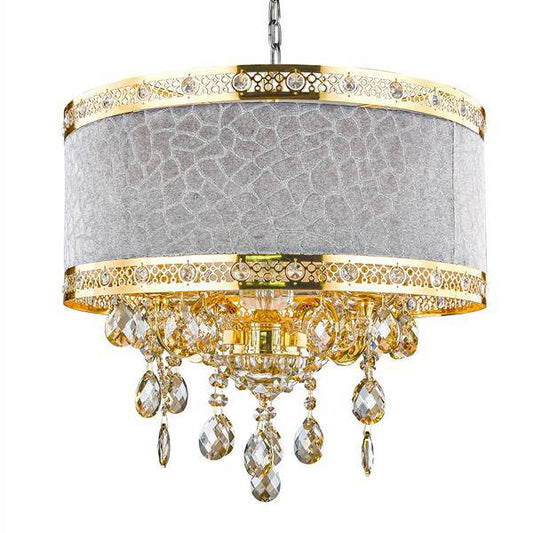
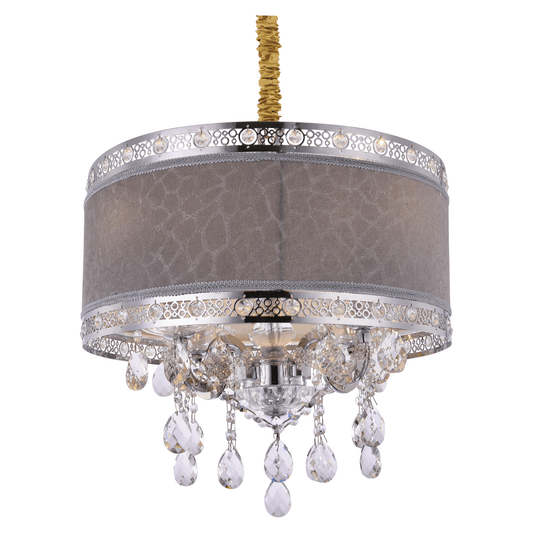
VISIT OUR SHOWROOM

ENTRYWAY LIGHTING GUIDE
1. Choose the Right Main Fixture
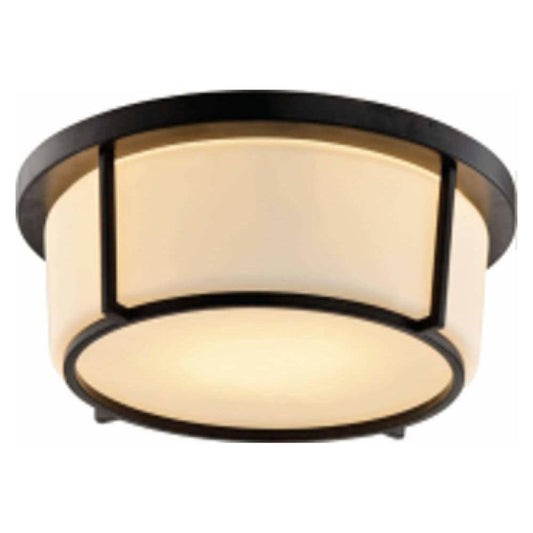
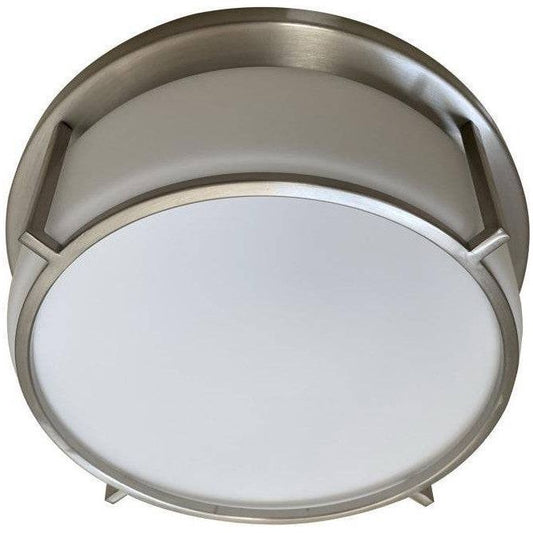
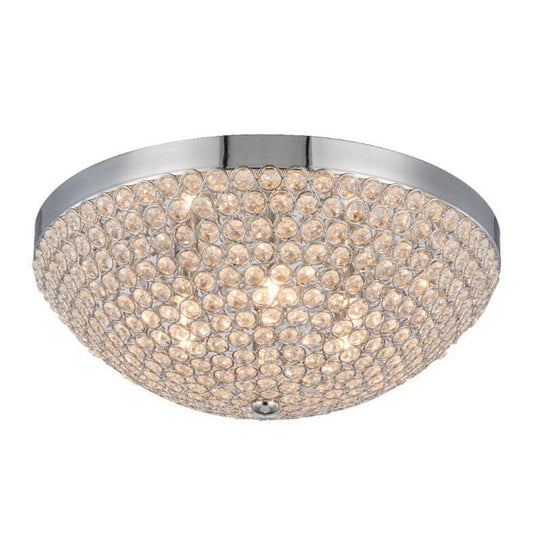
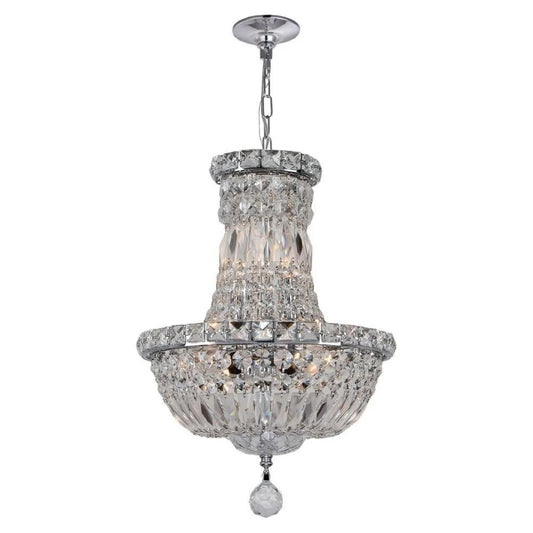
For most entryways, the primary light source is a chandelier, pendant, flush mount, or semi-flush fixture.
Chandeliers and pendants work well in larger foyers or entryways with higher ceilings.
Flush mounts and semi-flush lights are better suited to lower ceilings or more compact spaces.
In open two-storey foyers, a larger statement fixture can help visually connect the upper and lower levels.
The fixture should feel proportional to the size and ceiling height of the entryway.


2. Consider Ceiling Height
Ceiling height is one of the most important factors when choosing an entryway fixture. There should be comfortable clearance below hanging lights so people can walk underneath them safely.
In tall or open foyers, the fixture can hang lower and become a stronger architectural feature. In lower-ceiling spaces, choose a compact fixture that provides good illumination without making the area feel crowded.
3. Layer the Lighting
A single decorative fixture may not provide enough light for every part of the entryway. Consider combining the main fixture with:
- Wall sconces
- Recessed lighting
- Picture lights
- Accent lighting
- Table lamps on a console
Layering the lighting helps eliminate dark corners and creates a warmer, more polished entrance.


4. Illuminate Stairs and Hallways
If the entryway connects directly to a staircase or hallway, make sure those areas receive adequate illumination as well. Wall sconces, recessed lights, or complementary ceiling fixtures can help create a smooth transition from the foyer into the rest of the home.
5. Choose a Welcoming Colour Temperature
For residential entryways, approximately 2700K to 3000K is a popular choice. This warmer light creates an inviting atmosphere while still providing enough visibility for everyday activities.
If your home uses a consistent colour temperature throughout adjacent rooms, matching it in the entryway can create a more cohesive appearance.


6. Use Dimmers When Possible
Entryway lighting does not always need to operate at full brightness. A dimmer allows you to create brighter lighting when guests arrive or when you are cleaning, while softer levels can provide comfortable evening illumination.
7. Coordinate with the Rest of the Home
Because an entryway often provides views into living rooms, dining rooms, hallways, or staircases, its lighting should coordinate with nearby fixtures.
The fixtures do not need to match exactly, but using complementary finishes, shapes, materials, or design styles helps create visual continuity throughout the home.


Choosing Entryway Lighting
When selecting lighting for your entryway, consider:
- Ceiling height
- Foyer dimensions
- Fixture size and hanging height
- Staircase and hallway connections
- Natural daylight
- Decorative style
- Fixture finish
- Colour temperature
- Dimming capability
- Visibility from adjoining rooms
A successful entryway lighting plan combines proper scale, comfortable illumination, and decorative impact, creating a welcoming transition from the exterior of your home into the interior.
ENTRYWAY LIGHTING FAQ
What type of lighting is best for an entryway?
The best entryway lighting depends on the size and ceiling height of the space. Chandeliers and pendants work well in larger or taller foyers, while flush mounts and semi-flush lights are ideal for lower ceilings and compact entryways.
How do I choose the right size entryway light fixture?
Choose a fixture that feels proportional to the dimensions and ceiling height of your foyer. A fixture that is too small may look lost in a large space, while an oversized fixture can overwhelm a smaller entryway.
How high should an entryway chandelier or pendant hang?
A hanging fixture should provide comfortable clearance below it while remaining visually connected to the space. In two-storey foyers, chandeliers can typically hang lower and become a stronger focal point without interfering with traffic.
What colour temperature is best for entryway lighting?
For most residential entryways, 2700K to 3000K provides a warm and welcoming appearance. Matching the colour temperature used in nearby rooms can also help create a more consistent lighting experience throughout the home.
Should entryway lighting be dimmable?
Yes. Dimmable entryway lighting gives you flexibility to use brighter light when needed and softer illumination during the evening. It can also help create a more welcoming atmosphere when entertaining guests.
Can I combine different types of lighting in an entryway?
Yes. Layering a main chandelier, pendant, or ceiling fixture with wall sconces, recessed lighting, picture lights, or decorative lamps can improve visibility and create a more polished, balanced entryway.