

Outdoor lighting improves the safety, security, functionality, and appearance of your home after dark. A well-planned exterior lighting design combines practical illumination with decorative fixtures to highlight entrances, pathways, architectural details, and outdoor living areas without making the property feel overly bright.
Outdoor Spaces Lighting
BROWSE OUTDOOR LIGHTS


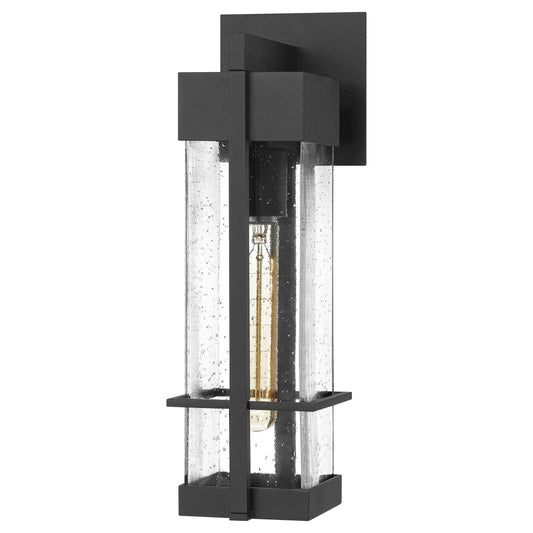
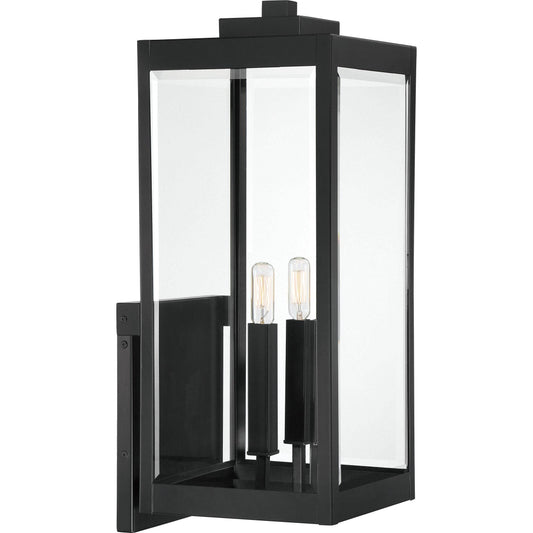


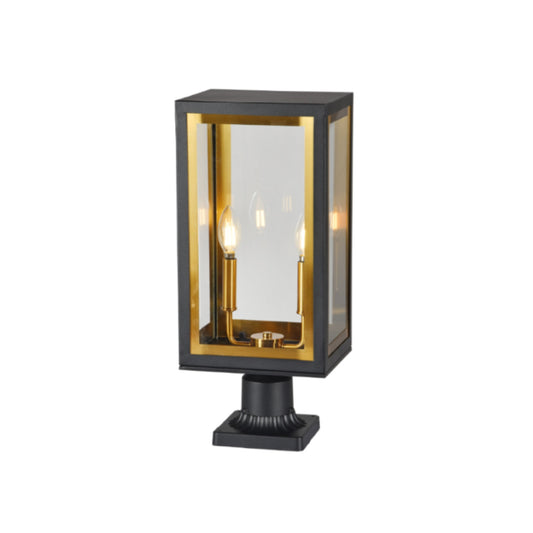

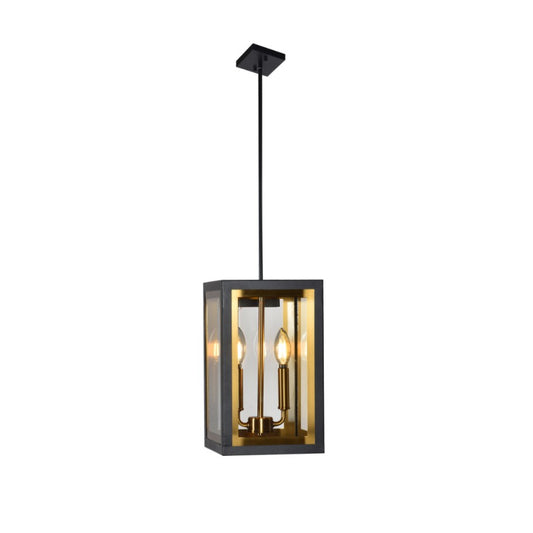
VISIT OUR SHOWROOM

OUTDOOR LIGHTING GUIDE
Start With Layered Outdoor Lighting
Just like interior lighting, outdoor lighting works best when several types of fixtures are used together.
Outdoor wall lights, ceiling fixtures, post lights, landscape lighting, and security or area lighting can each serve a different purpose. Combining these layers creates better visibility while giving the exterior of the home a more balanced and intentional appearance.


Light the Front Entrance
The front entrance is one of the most important areas to illuminate. Outdoor wall sconces or lanterns beside the door can provide welcoming light while helping guests see steps, locks, and house numbers.
Homes with larger entrances or covered porches may also benefit from an outdoor hanging light or ceiling fixture to provide additional illumination and create a stronger visual focal point.
Choose the Right Size Outdoor Wall Lights
Exterior fixtures are often viewed from a distance, so they can usually be slightly larger than expected without overwhelming the home.
Consider the scale of the front door, garage doors, columns, stonework, and overall façade when choosing wall lights. Small fixtures can disappear visually on a large home, while appropriately scaled fixtures can enhance the architecture and improve curb appeal.


Illuminate Garages and Side Entrances
Garage doors and secondary entrances should have enough light for safe access without creating excessive glare.
Wall-mounted fixtures can be installed beside or between garage doors, while larger homes may benefit from additional lighting around side entrances, service doors, or walkways. Keeping fixture styles coordinated across these areas helps create a consistent exterior design.
Add Post Lights for Driveways and Walkways
Outdoor post lights can provide both decorative and practical illumination along driveways, pathways, gates, and landscaped areas.
They are especially effective on larger properties where architectural lighting from the house may not reach farther areas. Post lights can also help visually connect the driveway and landscaping to the overall style of the home.


Use Landscape Lighting to Highlight the Property
Landscape lighting can add depth and visual interest after dark by highlighting trees, gardens, pathways, stonework, architectural features, and outdoor living areas.
Rather than illuminating everything equally, focus on selected features and use contrast to create a natural, layered appearance. Well-positioned landscape lights can also improve visibility along paths and changes in elevation.
Consider Light Direction and Glare
More light does not always mean better outdoor lighting. Poorly positioned fixtures can create uncomfortable glare or shine into neighbouring properties.
Look for fixtures that direct light where it is needed. Shielded or downward-facing lighting can help illuminate entrances and pathways while reducing unnecessary light spill into the night sky.


Choose the Right Colour Temperature
For most residential exterior applications, warm white light between approximately 2700K and 3000K creates a comfortable and inviting appearance.
Warmer colour temperatures tend to complement brick, stone, wood, landscaping, and traditional exterior finishes. Slightly cooler lighting may be suitable for certain modern designs or task-oriented areas, but consistency across the property usually creates the most polished result.
Find the Right Outdoor Lighting at Sparkle Light
At Sparkle Light, we offer outdoor lighting for a wide range of residential applications, including outdoor wall lights, hanging lights, ceiling fixtures, post lights, landscape lighting, and other exterior lighting solutions.
Visit our Markham lighting showroom to compare fixture sizes, finishes, styles, and light output in person. Our team can help you coordinate outdoor lighting that improves safety and visibility while complementing the architecture and character of your home.
OUTDOOR LIGHTING FAQ
What type of outdoor lighting is best for a home?
The best outdoor lighting usually combines several fixture types, including wall lights, ceiling or hanging fixtures, post lights, landscape lighting, and security lighting. Layering these fixtures helps improve visibility, safety, and curb appeal without making the property feel overly bright.
How big should outdoor wall lights be?
Outdoor fixtures are viewed from a greater distance than most indoor lights, so they can often be larger than expected. Choose a size that feels proportional to the front door, garage doors, columns, and overall scale of the home. Larger entrances generally benefit from larger fixtures.
What colour temperature is best for outdoor lighting?
For most residential applications, 2700K–3000K provides a warm and welcoming appearance. This range works especially well with brick, stone, wood, landscaping, and traditional exterior finishes while still providing useful visibility.
What is the difference between damp-rated and wet-rated outdoor lights?
Damp-rated fixtures are generally intended for covered areas where they may be exposed to humidity or occasional moisture. Wet-rated fixtures are designed for locations directly exposed to rain, snow, or other weather conditions. Always follow the manufacturer's installation requirements.
Should outdoor lights be left on all night?
They can be, but using photocells, timers, motion sensors, or smart controls can reduce unnecessary energy use. Dusk-to-dawn controls are useful for frequently used exterior lights, while motion sensors can provide additional illumination only when someone approaches.
How do I choose outdoor lighting that matches my home?
Consider your home's architecture, exterior materials, door and window finishes, railings, and landscaping. Traditional lanterns often suit classic homes, while clean geometric fixtures work well with contemporary designs. Fixtures do not need to match exactly, but coordinating their finish, shape, or overall style creates a more cohesive appearance.